
- Home
- >
- Knowledge Center
- >
- Blogs
Blogs
Sharing knowledge is key to an innovative and healthy industry! This knowledge center is therefore a central place on our website to share information. Read all about our industry in the blogs below!
What Are the Advantages of Cemented Carbide Balls?
Cemented Carbide Balls are gaining attention in various industries due to their unique properties. These balls are made from tungsten carbide and cobalt, offering exceptional hardness and wear resistance. This makes them suitable for applications where durability is critical, such as mining and manufacturing.
One notable advantage of cemented carbide balls is their ability to withstand high pressure and temperature. This resilience is crucial in environments where traditional materials would fail. Additionally, they exhibit low friction, contributing to energy efficiency. However, the cost of manufacturing these balls can be higher than conventional options, which raises questions about their accessibility.
Despite these benefits, the use of cemented carbide balls may not be ideal for all applications. It’s essential to evaluate specific needs and constraints before investing in them. Understanding their strengths and limitations can help industries make informed decisions.
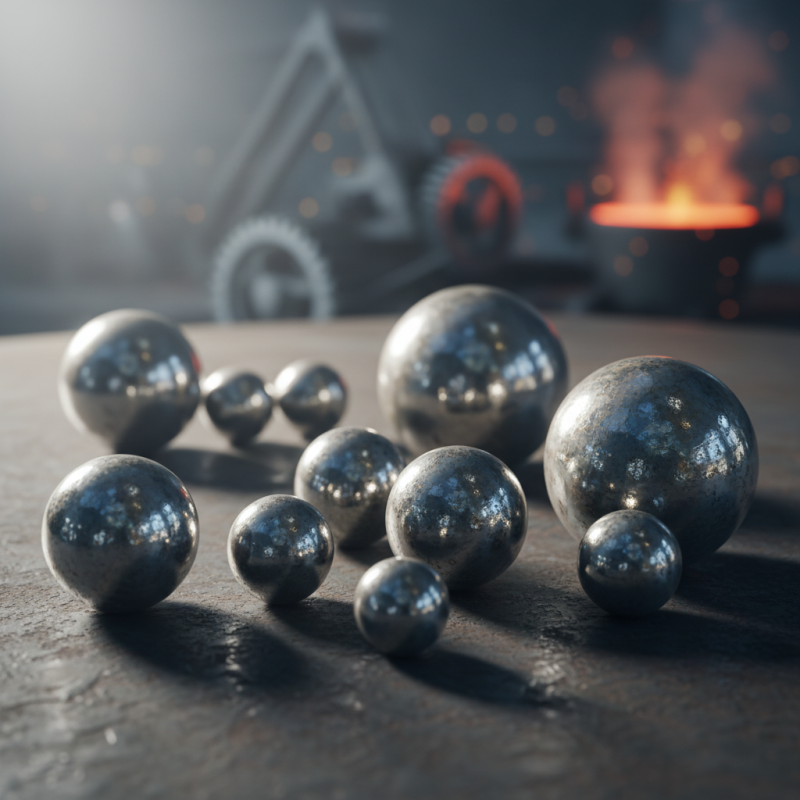
Advantages of Cemented Carbide Balls in Industrial Applications
Cemented carbide balls are increasingly popular in industrial applications due to their superior properties. These balls are made from tungsten carbide and cobalt, offering exceptional hardness and wear resistance. According to industry reports, cemented carbide can withstand pressure up to 3000 MPa while maintaining structural integrity. This makes them ideal for use in high-stress environments.
Their resistance to corrosion is another significant advantage. In industries like oil and gas, where exposure to harsh chemicals is common, cemented carbide balls excel. A study by the American Society for Metals indicated that these balls can endure exposure to corrosive environments, extending equipment lifespan. This can lead to significant cost savings over time.
However, it is essential to consider some drawbacks. The brittleness of cemented carbide can lead to fractures under extreme conditions. Proper usage and installation are critical for maximizing performance. Regular maintenance and inspection are necessary to avoid unexpected failures. In some cases, alternative materials may be more suitable depending on specific application requirements. Balancing the advantages and potential risks is crucial for optimal industrial solutions.

Durability and Wear Resistance of Cemented Carbide Balls
Cemented carbide balls are renowned for their remarkable durability and wear resistance. These attributes stem from their unique composition, which typically includes tungsten carbide particles bonded with cobalt or nickel. This combination enhances toughness, allowing the balls to withstand extreme pressures and harsh environments. As a result, they find extensive use in various industries, including mining, manufacturing, and aerospace.
The longevity of cemented carbide balls is often impressive. They maintain structural integrity even under heavy loads and abrasive conditions. This resilience leads to reduced maintenance costs over time, a key advantage for many businesses. However, it is essential to recognize that not all applications may require such robust materials. In some cases, softer alternatives could be more cost-effective.
Despite their strengths, it is crucial to address some limitations. For instance, cemented carbide can be more brittle than other materials under specific circumstances. This brittleness may lead to unexpected failures if used improperly. Thus, selecting the right material for the task is vital. Ultimately, while cemented carbide balls offer excellent performance, users should analyze their specific needs before making a choice.
What Are the Advantages of Cemented Carbide Balls?
| Property | Description | Advantages |
|---|---|---|
| Durability | Cemented carbide balls offer exceptional longevity under rigorous conditions. | Extended lifespan reduces replacement costs. |
| Wear Resistance | Highly resistant to wear and abrasion, maintaining shape over time. | Minimizes downtime and maintenance needs. |
| Hardness | Holds a high degree of hardness ranking, critical for various applications. | Provides strength in high-stress environments. |
| Dimensional Precision | Manufactured to exact specifications for accurate performance. | Ensures compatibility and efficiency in machinery. |
| Corrosion Resistance | Resistant to various chemicals and oxidation. | Suitable for harsh environments, enhancing reliability. |
Cost-Effectiveness of Using Cemented Carbide Balls
Cemented carbide balls offer significant cost-effectiveness in various industrial applications. Their durability is one of the standout features. These balls resist wear and tear, which leads to lower replacement costs over time. In environments where high precision is required, cemented carbide balls maintain their shape better than softer alternatives. This enhances the efficiency of machinery and can result in fewer operational disruptions.
Moreover, cemented carbide balls have a longer lifespan compared to other materials. While the initial investment may be higher, the overall savings become apparent as maintenance costs decrease. Many businesses find that they gain a competitive edge by using these materials. They reduce downtime, leading to increased productivity.
However, it’s crucial to consider the balance between upfront costs and long-term benefits. Not every application may justify this investment. Some operations may not leverage the full advantages of cemented carbide balls. Evaluating specific needs is essential before making decisions. This reflection can lead to improved operational strategies.
Versatility of Cemented Carbide Balls in Various Industries
Cemented carbide balls are instrumental across various industrial sectors, thanks to their unique properties. These balls are known for their high hardness, which can reach up to 1500 HV, making them ideal for applications that require durability. In the oil and gas industry, they are used in drilling operations to withstand extreme conditions. According to a report by Allied Market Research, the global market for cemented carbide tools is expected to reach $35 billion by 2027, reflecting significant growth in their application.
In manufacturing, cemented carbide balls play a critical role in enhancing the performance of machinery. Their ability to reduce wear translates to longer equipment lifespans. A study published in the Journal of Materials Science showed that cemented carbide components exhibited significantly less wear than traditional materials, highlighting their effectiveness. However, high production costs and challenges related to mold design can limit widespread use in some areas.
The versatility of cemented carbide balls extends to the automotive industry, where they are used in precision components like bearings and valve seats. The ability to withstand high pressure and temperature makes them indispensable in these applications. Reports indicate that 30% of manufacturers are increasingly adopting these materials for their reliability. Despite their advantages, continuous research and development are needed to optimize performance and reduce costs in various sectors.
Comparison with Other Materials Used in Ball Manufacturing
Cemented carbide balls are recognized for their superior performance compared to other materials in ball manufacturing. These balls exhibit high hardness and excellent wear resistance. When used in harsh environments, they surpass conventional materials like steel or polymer. This makes them a preferred choice in industries such as mining and aerospace.
Steel balls, often chosen for cost-effectiveness, can wear down quickly. In contrast, cemented carbide balls maintain their shape and integrity over extended use. This longevity translates into lower maintenance and replacement costs. Polymer balls, while lightweight and resistant to corrosion, can lack the strength needed for heavy-duty applications.
Cemented carbide’s toughness comes at a price, though. They can be more expensive upfront. This may deter some manufacturers from choosing them. However, the durability they offer often justifies the initial investment. Potential users need to weigh short-term costs against long-term performance. Balancing these factors is crucial for the right material choice.