
- Home
- >
- Knowledge Center
- >
- Blogs
Blogs
Sharing knowledge is key to an innovative and healthy industry! This knowledge center is therefore a central place on our website to share information. Read all about our industry in the blogs below!
Top 10 Benefits of 310 Stainless Steel Pipe for Buyers?
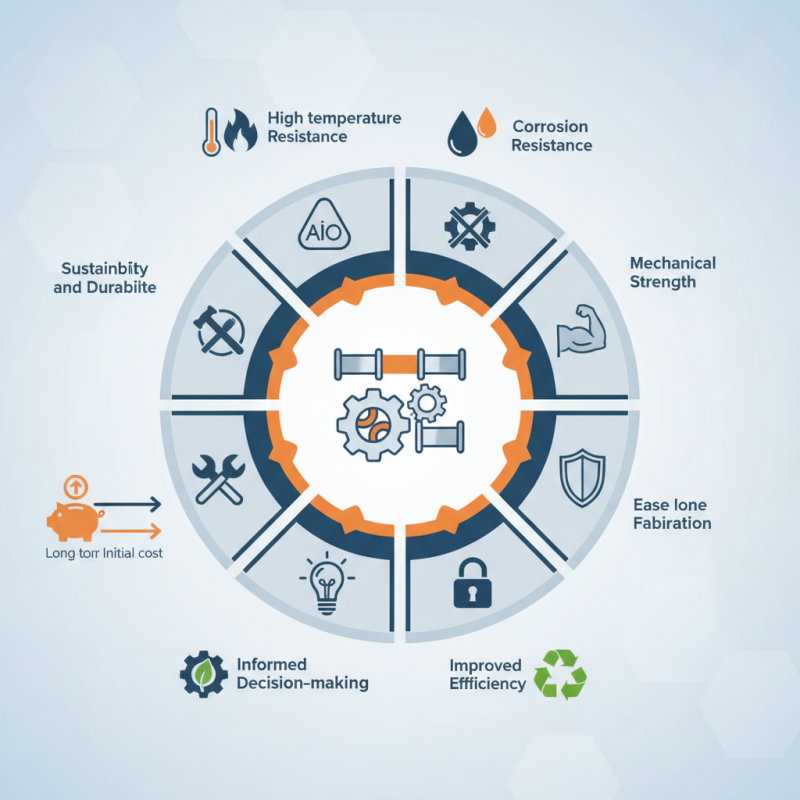
When considering material options for piping, the 310 Stainless Steel Pipe stands out for its numerous benefits. This type of pipe offers exceptional resistance to high temperatures and corrosion, making it ideal for various industries. Buyers often seek materials that can withstand extreme conditions without compromising quality. The 310 Stainless Steel Pipe excels in this aspect, ensuring longevity in demanding environments.
Moreover, its mechanical properties make it easier to work with compared to other metals. Skilled professionals appreciate the reliability of 310 stainless steel, as it minimizes the risk of failures. However, potential buyers should also be mindful of the cost. Investing in high-quality materials often requires a higher initial expenditure. Evaluating the long-term benefits is crucial.
Understanding the advantages of the 310 Stainless Steel Pipe can lead to informed decision-making. This material not only improves efficiency but also contributes to safety in operations. As industries increasingly focus on sustainability, the durability of 310 stainless steel aligns well with these goals. It offers peace of mind for buyers aiming to achieve both performance and reliability.
Advantages of 310 Stainless Steel Pipe in High-Temperature Applications
310 stainless steel pipe excels in high-temperature environments due to its unique chemical composition. This alloy comprises nickel and chromium, which grant it exceptional oxidation resistance. These features make it ideal for applications like furnace parts and heat exchangers. Users appreciate its durability under extreme conditions.
Moreover, 310 stainless steel pipe retains strength even when exposed to elevated temperatures. It can maintain structural integrity up to 1100°C in intermittent use. However, users must pay attention to thermal cycling. Repeated heating and cooling can lead to minor challenges in performance. This emphasizes the need for careful material selection.
In addition to heat resistance, the pipe offers excellent weldability. This is crucial for industries needing custom solutions. However, the proper welding techniques should be implemented to avoid issues like cracking. Understanding these nuances can enhance reliability in high-temperature applications. Thus, it’s vital to evaluate both the benefits and potential limitations of this material.

Corrosion Resistance: Why 310 Stainless Steel Is a Preferred Choice
When considering materials for industrial applications, 310 stainless steel pipe stands out, particularly for its exceptional corrosion resistance. This alloy contains higher nickel and chromium levels, making it resistant to oxidation and elevated temperatures. With these properties, 310 stainless steel is often the preferred choice for challenging environments, such as chemical processing and oil refining.
Tips for buyers: Always assess your specific needs before selecting materials. Corrosion resistance is not just about the alloy; it also depends on environmental factors. Consider the temperature and exposure conditions. In some cases, even small impurities can increase the risk of corrosion.
The durability of 310 stainless steel pipe adds significant value over time. When correctly chosen, it offers reliable performance and longevity. Avoid oversights during installation, as poor handling can lead to premature failure. Learn about proper maintenance routines. Regular inspections can reveal potential issues before they escalate, ensuring your investment remains sound.
Top 10 Benefits of 310 Stainless Steel Pipe
Cost-Effectiveness of 310 Stainless Steel Pipe for Buyers
The 310 stainless steel pipe is gaining popularity due to its cost-effectiveness. Many buyers look for materials that offer both durability and affordability. This alloy is known for its resistance to heat and oxidation. These properties make it suitable for high-temperature applications. Its longevity means fewer replacements are needed, saving money over time.
When comparing initial costs, 310 stainless steel may seem higher than alternatives. However, its longer lifespan and reduced maintenance requirements balance the scale. Users can focus less on repairs and more on their core activities. This shift enhances productivity and efficiency. An effective investment can lead to significant savings.
While some buyers may hesitate, the benefits are clear. The reliability of 310 stainless steel in various environments is well-documented. However, understanding the unique needs of each project is essential. Buyers must evaluate their specific requirements. It’s not one-size-fits-all, and sometimes it’s worth considering other materials. Reflecting on these factors can lead to smarter decisions.
Top 10 Benefits of 310 Stainless Steel Pipe for Buyers
| Benefit | Description | Cost-Effectiveness |
|---|---|---|
| High Corrosion Resistance | Resists oxidation and corrosion, suitable for high-temperature environments. | Reduces maintenance costs over time. |
| High Strength | Offers excellent strength and durability for heavy applications. | Longer lifespan reduces replacement costs. |
| Heat Resistance | Withstands elevated temperatures without losing structural integrity. | Prevents damage and costly downtime in high-heat environments. |
| Manufacturing Versatility | Can be easily fabricated into various shapes and sizes. | Reduces production time and costs. |
| Recyclability | Environmentally friendly, as it can be recycled without loss of quality. | Lowers waste disposal costs and promotes sustainability. |
| Aesthetic Appeal | Modern and sleek appearance suitable for architectural projects. | Increases property value and attractiveness. |
| Low Maintenance | Requires minimal upkeep due to its durable properties. | Significantly reduces maintenance costs. |
| Cost Efficiency | Offers a good balance of cost and performance. | Provides long-term savings despite initial investment. |
| Resistance to Scaling | Prevents scaling in various industrial applications. | Minimizes the need for chemical treatments, reducing costs. |
| Good Thermal Conductivity | Conducts heat effectively, ideal for heat exchangers. | Enhances system efficiency, leading to reduced energy costs. |
Durability and Longevity of 310 Stainless Steel Pipe in Various Industries
The durability of 310 stainless steel pipe makes it a favored choice in various industries. Its high resistance to corrosion allows it to thrive in harsh environments, such as chemical processing and power generation. This metal can withstand high temperatures, making it ideal for applications requiring heat resistance. For instance, in the aerospace sector, 310 stainless steel pipes are used for exhaust and furnace applications.
The longevity of these pipes is bolstered by their excellent mechanical properties. With a tensile strength that resists deformation, they can endure heavy loads without failing. In construction and manufacturing, a reliable material is essential. If a pipe fails, it can lead to costly repairs and safety hazards. It's imperative for buyers to recognize the importance of choosing durable materials, like 310 stainless steel.
Despite its many benefits, buyers should consider potential downsides. The cost of 310 stainless steel can be higher than other materials. This is a key factor for budget-conscious projects. Moreover, while the corrosion resistance is notable, it is not absolute. Regular maintenance and inspections are still necessary to ensure longevity. Awareness of these details is vital for informed purchasing decisions.
Ease of Fabrication and Installation of 310 Stainless Steel Pipe
The ease of fabrication and installation of 310 stainless steel pipes makes them a preferred choice in various industries. Their high heat resistance allows for quick adaptations in high-temperature applications. According to industry reports, this steel grade performs well in temperatures up to 1,200°C, facilitating efficient designs.
Installation is straightforward. The lightweight nature of 310 stainless steel simplifies handling. Weldability is another advantage. Professionals can join them with various techniques, including MIG and TIG welding. This versatility reduces installation time and costs.
However, considerations remain. While 310 stainless steel is durable, improper handling during installation can lead to issues. For example, it may be sensitive to certain fabrication techniques. Knowledge of best practices is crucial for optimal results. Overall, understanding the properties of this alloy can significantly impact your project’s success.