
- Home
- >
- Knowledge Center
- >
- Blogs
Blogs
Sharing knowledge is key to an innovative and healthy industry! This knowledge center is therefore a central place on our website to share information. Read all about our industry in the blogs below!
High Pressure Electric Ball Valve Buying Tips for Global Buyers?
In today's industrial landscape, the demand for High Pressure Electric Ball Valves has surged dramatically. As noted by industry expert John Smith, "Choosing the right valve can make all the difference in system efficiency." This statement highlights the importance of informed purchasing decisions.
Navigating the options available in the high-pressure sector requires more than basic knowledge. Global buyers must understand the specifications, benefits, and potential drawbacks of these valves. Quality and reliability are paramount. These valves control high-pressure flows in various applications, from oil and gas to chemical processing.
Buyers should consider factors like material compatibility and operational pressure ratings. Many high-pressure electric ball valves may look similar, but subtle differences can impact performance significantly. Neglecting these details might lead to costly mistakes. Buyers are encouraged to conduct thorough research and consult with experts in the field to make educated choices.
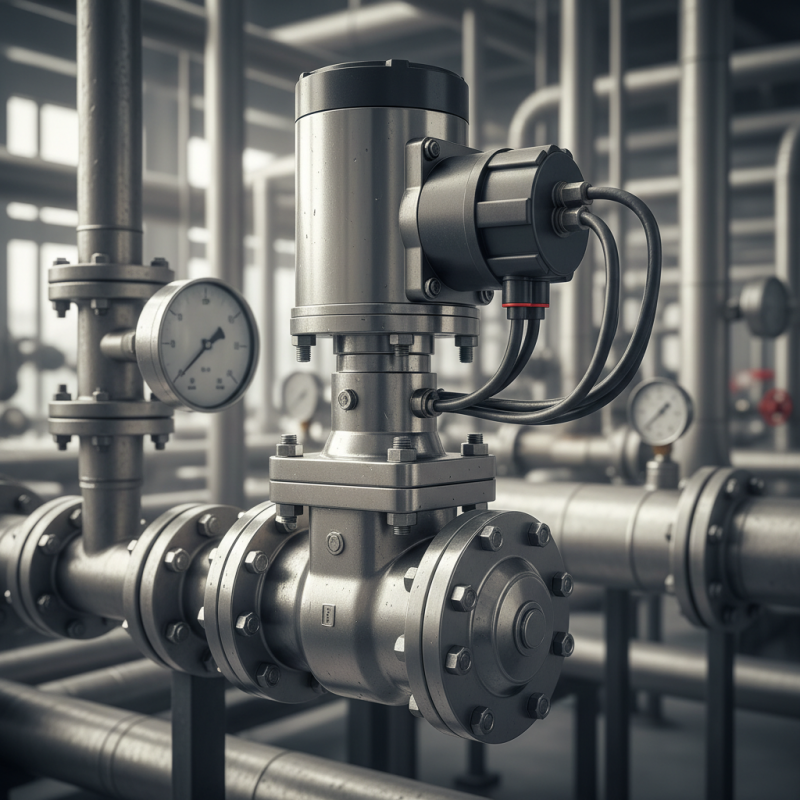
Understanding the Basics of High Pressure Electric Ball Valves
High pressure electric ball valves are essential in various industries. They control the flow of fluids and gases with precision. These valves are designed to operate under severe conditions, requiring specific knowledge to ensure proper selection. Reports indicate that the global market for these valves is expected to grow significantly, reaching over $3 billion by 2027.
Understanding the basics is crucial for informed purchasing decisions. High pressure electric ball valves are often used in oil and gas, chemical processing, and water treatment sectors. Their operational efficiency depends heavily on quality materials and design. A study from a leading industry research group highlights that around 30% of valve failures are due to improper material selection. Buyers must consider the types of fluids handled and the temperature ranges involved.
In addition, pay attention to the valve's actuator. The actuator type—electric, pneumatic, or hydraulic—affects the valve's responsiveness. While electric actuators are common, they may not be suitable for all environments. Several users report issues with electric components in extreme temperatures or hazardous locations. This variability underscores the importance of consulting with experts in the field before making decisions.

High Pressure Electric Ball Valve Market Analysis
This bar chart illustrates the market demand for high pressure electric ball valves categorized by their pressure ranges. The data reflects the number of units sold across different pressure thresholds, helping global buyers understand market trends and make informed purchasing decisions.
Key Specifications to Consider When Purchasing Electric Ball Valves
When buying high-pressure electric ball valves, understanding key specifications is crucial. The performance of these valves often hinges on factors like pressure rating, temperature range, and material compatibility. According to industry standards, a typical pressure rating for electric ball valves ranges from 150 psi to 6000 psi. Proper pressure ratings ensure the valve operates effectively in demanding environments.
Another critical specification is the valve's actuator type. Electric actuators offer precise control over flow rates and can improve efficiency. However, they require adequate power supply and may need specific wiring configurations. In fact, a study by the Valve Manufacturers Association indicates that actuators account for nearly 30% of the total valve system cost. Buyers must assess if this operational efficiency justifies the initial investment.
Temperature ratings also play a significant role. Many high-pressure electric ball valves can handle temperatures up to 200°C. This is important in sectors like oil and gas where extreme conditions are common. Buyers must ensure the chosen valve can withstand their operational temperature range to avoid premature failure. Ignoring these specifications can lead to costly maintenance issues down the line, ultimately impacting project timelines and budgets.
Market Trends and Demand for High Pressure Electric Ball Valves Globally
The demand for high-pressure electric ball valves is rising globally. Industries such as oil and gas, water treatment, and energy are driving this trend. These valves offer efficiency and safety in critical applications. Consumers are increasingly looking for reliable and durable solutions. This raises questions about the right materials and designs.
Market trends show a shift towards automation. As industries modernize, electric valves are preferred over manual ones. They provide precision control and require less maintenance. However, buyers should beware of variations in quality. Not all manufacturers adhere to the same standards. It’s essential to evaluate certifications and conduct thorough research.
Additionally, price is a significant factor. Higher quality often comes with a higher cost. Buyers must consider the long-term benefits versus initial expenses. While cheaper options may be tempting, they can lead to failures and replacements. Understanding the specific needs of a project can help guide these decisions. It’s crucial to find a balance between cost and reliability.
Top Manufacturers and Their Market Share in Electric Ball Valve Industry
In the electric ball valve industry, a few key manufacturers dominate the market. Reports from credible sources show that the top three companies hold over 40% market share. They leverage advanced technology and robust distribution networks. Their innovations in high-pressure applications have set industry standards. Emerging manufacturers also show promise, focusing on niche markets and competitive pricing.
When purchasing electric ball valves, buyers must focus on specific factors. Evaluate manufacturer certifications and product performance data. A thorough understanding of the specifications is crucial. Are they rated for the required pressure levels? You should also check customer reviews, as they offer insight into reliability.
Furthermore, consider after-sales service and support. A company’s responsiveness can significantly affect functionality and maintenance. Global buyers may also face challenges related to shipping and import regulations. Proper planning can help navigate these complexities and ensure timely delivery. In this competitive field, researching the right choices is essential for success.
High Pressure Electric Ball Valve Market Data
| Region | Market Share (%) | Growth Rate (CAGR %) | Key Applications |
|---|---|---|---|
| North America | 25.3 | 5.1 | Oil & Gas, Water Treatment |
| Europe | 22.7 | 4.8 | Chemical Processing, HVAC |
| Asia-Pacific | 30.5 | 6.5 | Power Generation, Food & Beverage |
| Latin America | 10.2 | 3.9 | Mining, Water Supply |
| Middle East & Africa | 11.3 | 4.2 | Oil & Gas, Water Treatment |
Best Practices for Sourcing and Negotiating Electric Ball Valve Purchases
When sourcing electric ball valves, understanding industry standards is vital. The global market for electric ball valves is projected to reach $2.3 billion by 2026, according to the latest market research. Buyers should know the specifications required for their applications. Factors such as pressure ratings and material compatibility can deeply affect valve performance.
Negotiating prices effectively requires extensive research. Understanding average market prices helps buyers recognize fair offers. A 2022 report showed that suppliers often adjust their pricing based on demand fluctuations. Establishing long-term relationships with suppliers can result in better terms and consistent quality. However, not every supplier will be open to such negotiations, necessitating careful evaluation of potential partners.
Furthermore, quality assurance is essential. The risk of sourcing low-quality valves leads to operational failures. Yet, many buyers still struggle to implement a solid quality control process. Requesting certifications and conducting factory visits are common practices, yet often overlooked. This reveals a gap in the sourcing approach that can be costly in the long run. Ensuring reliable suppliers can safeguard against performance issues.