
Blogs

Sharing knowledge is key to an innovative and healthy industry! This knowledge center is therefore a central place on our website to share information. Read all about our industry in the blogs below!

How to Choose the Best Air Muffler Silencer for Your Needs?

Choosing the right Air Muffler Silencer can be challenging. Industry expert, John Smith, once said, “The right silencer transforms your machine performance.” Selecting one requires careful consideration of several factors.

Air Muffler Silencers are vital for noise reduction in various applications. A well-chosen silencer minimizes disturbances and enhances efficiency. But not all silencers are created equal. Compatibility with your equipment is essential. Too often, people overlook this, leading to wasted time and money.

It's crucial to assess your specific needs. Consider factors like the operating environment and noise levels. Sometimes, our biases influence our choices. Seeking professional advice can help you avoid common pitfalls. Ultimately, making an informed decision ensures you select the best Air Muffler Silencer for your requirements.
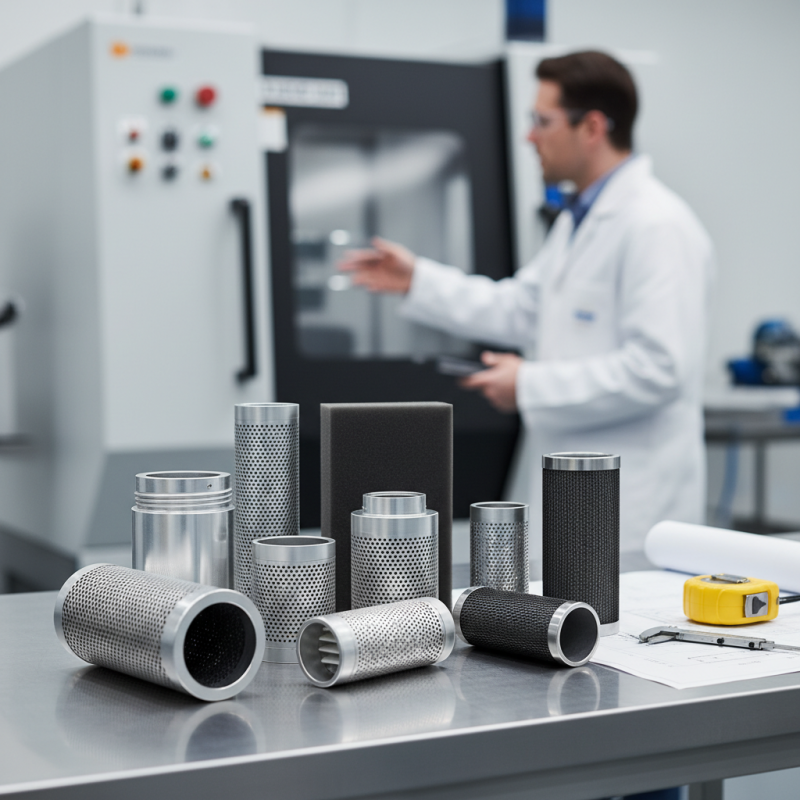
How to Choose the Best Air Muffler Silencer for Your Needs?

Understanding the Importance of Air Muffler Silencers in Various Applications

Air muffler silencers play a crucial role in various applications, from industrial environments to residential areas. Their primary function is to reduce noise generated by air compressors and pneumatic tools. According to recent industry reports, excessive noise can lead to health issues, including stress and hearing loss. For example, prolonged exposure to noise levels above 85 decibels can be detrimental. A well-chosen silencer can help maintain acceptable noise levels, ensuring a healthier workspace.

Different applications have specific requirements for air muffler silencers. Many industrial operations involve high-pressure systems that produce significant noise. A study from the American Society of Mechanical Engineers indicates that selecting the right silencer can reduce noise by up to 30 decibels in such settings. However, users often overlook the importance of installation and maintenance. Poor handling can lead to a reduction in the muffler’s efficiency over time.

Furthermore, not all silencers are created equally. Some may not perform well under extreme temperature conditions. Research shows that operating at high temperatures can reduce the lifespan of these devices. It is essential to consider material and design when making a selection. Ignoring these details can result in increased costs and insufficient noise reduction.

Key Factors to Consider When Choosing an Air Muffler Silencer

Choosing the right air muffler silencer requires careful consideration of various factors. One crucial aspect is the noise reduction rating. Look for a silencer that effectively dampens noise levels while still maintaining airflow. Remember, high noise reduction may limit airflow, affecting performance.

Another factor is the design and construction material of the silencer. Stainless steel options tend to provide durability and longevity. However, they might be heavier. Lightweight materials could be less durable but easier to install.

Consider the size and compatibility with your system. An improperly sized silencer will not function effectively. It may even cause damage in some cases. Clarify your needs based on your application. Reflect on whether you prioritize noise control or performance efficiency. Finding a balance between these elements can be challenging, yet it is essential for a satisfactory purchase.

Comparing Different Types of Air Muffler Silencers Available on the Market

When selecting an air muffler silencer, it's important to compare the types available. There are several common options. Basic mufflers reduce noise but may not provide the best sound dampening. They often use simple designs with limited features. While they can work adequately, they may not suit all environments.

Another type is the high-performance silencer. These are designed for those who need a stronger noise reduction. They often feature advanced materials and more complex structures. However, these can be more expensive and may not be necessary for casual use. Some users have found they overpay for features they never utilize.

Portable mufflers are gaining popularity as well. These are lightweight and easy to transport. You can move them from one job site to another without hassle. But, they might sacrifice some sound-dampening capabilities. Many users notice a difference in noise levels. Balancing portability and effectiveness can be tricky. Reflect on what you truly need before making your choice.

Evaluating Noise Reduction Capabilities and Efficiency of Silencers

When evaluating noise reduction capabilities and efficiency of air muffler silencers, it's essential to consider several factors. Noise reduction is often measured in decibels. A good silencer can reduce noise by up to 30 decibels, but results can vary based on design. Look for models that specify their noise reduction ratings clearly. This information is crucial for making an informed choice.

Material also plays a critical role in performance. High-quality materials can improve durability and sound absorption. For example, stainless steel can withstand high temperatures without losing effectiveness. However, the weight of the material should also be considered. Heavier silencers may affect installation flexibility.

Finally, don’t forget user reviews. They can provide insights into real-life efficiency. Customers often share how well a silencer works in practical situations. Some might express concerns about installation difficulties or unexpected noise levels. Reflecting on these experiences can help you avoid future frustrations. Always weigh the pros and cons. Your selection should align with your specific needs, lifestyle, and environment.

How to Choose the Best Air Muffler Silencer for Your Needs? - Evaluating Noise Reduction Capabilities and Efficiency of Silencers

Silencer Type Noise Reduction (dB) Material Max Flow Rate (CFM) Weight (lbs) Price Range (USD)
Basic Muffler 20 Steel 100 5 50 - 100
Industrial Muffler 30 Aluminum 200 10 150 - 250
High-Performance Muffler 40 Stainless Steel 300 12 300 - 500
Compact Muffler 15 Plastic 75 3 30 - 80

Installation and Maintenance Tips for Optimal Performance of Air Mufflers

Proper installation of air mufflers is critical for enhancing noise reduction. Many users overlook details. A secure fit reduces air leaks. According to industry reports, a well-installed muffler can achieve a noise reduction of up to 30%. This means fewer distractions in work environments.


Maintenance is equally important. Regular inspection can lead to better performance. Check for blockages or damage. Some experts recommend cleaning every six months. Keeping an eye on the inlet and outlet connections ensures optimal airflow. A simple misalignment can negatively impact the muffler’s efficiency.


While many prioritize performance, some may neglect the overall system. This can lead to greater issues down the line. User feedback indicates that consistent upkeep improves lifespan significantly. Be proactive. Addressing small problems early can prevent costly repairs in the future.