
Blogs

Sharing knowledge is key to an innovative and healthy industry! This knowledge center is therefore a central place on our website to share information. Read all about our industry in the blogs below!

How to Choose the Best Carbon Paste Kneader for Your Business?

Choosing the right Carbon Paste Kneader is crucial for your business. It directly affects productivity and product quality. With several options available, making the best choice can be overwhelming.

A suitable Carbon Paste Kneader must meet your specific manufacturing needs. Consider factors like mixing capacity, speed, and durability. Each feature plays a role in the effectiveness of your production line. However, it is important to acknowledge that not every machine is perfect. Some may have limitations that require proactive management.

Evaluate your business needs carefully. Take time to research different models and seek expert opinions. Investing in a high-quality Carbon Paste Kneader may seem costly upfront, but it pays off in the long run. Don't rush the decision. Reflect on your current operations and how a new kneader can enhance them.
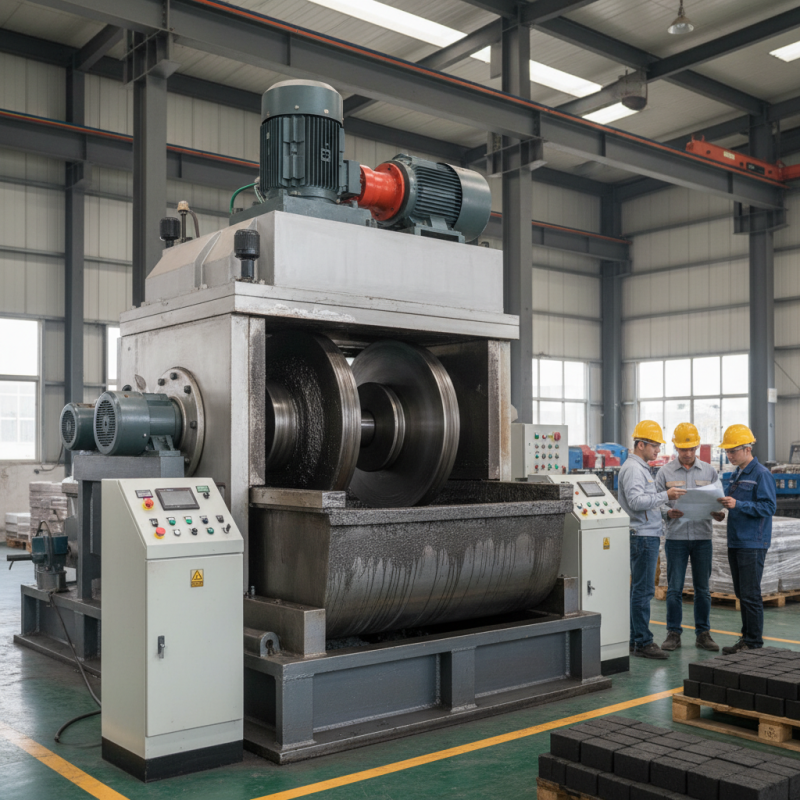
How to Choose the Best Carbon Paste Kneader for Your Business?

Understanding Carbon Paste Kneaders: Types and Applications

When selecting a carbon paste kneader, understanding the types and their applications is crucial. Carbon paste kneaders are mainly categorized into two types: batch kneaders and continuous kneaders. Batch kneaders are often used in laboratories and smaller operations. Their flexibility allows for custom formulations and quick changes. On the other hand, continuous kneaders are designed for large-scale production. They are known for consistent quality and high efficiency, making them ideal for large manufacturing facilities.

Industry reports indicate that the global carbon paste market is expected to grow at a CAGR of 5% by 2025. This growth reflects an increasing demand for electric batteries and other applications. Kneaders that use advanced materials can improve mixing efficiency and reduce operational costs. However, some kneaders struggle with heat management, leading to material degradation. Companies must consider the temperature control systems of kneaders to prevent this issue.

Evaluating the application scope is equally important. Electric battery production requires specific consistency and texture, whereas other applications might prioritize energetic properties. This diversity in requirements can make the selection process complex. Testing different kneader types in pilot operations can provide valuable insights. It’s essential to find a balance between performance and reliability in this competitive market.

Key Factors to Consider When Choosing a Carbon Paste Kneader

When selecting a carbon paste kneader for your business, several key factors come into play. The capacity of the kneader should match your production demands. A larger capacity may seem appealing, but it can lead to inefficiencies if not utilized properly. Assess your production volume carefully. Understand the specific requirements of your materials as well. Different applications may require varying levels of mixing and kneading efficiency.

Another critical factor is the build quality of the kneader. Look for robust construction that can withstand the rigors of continuous use. Seek out materials that resist wear and tear. A durable kneader can lead to lower maintenance costs over time.

Pay attention to the energy consumption of the machine as well. Higher efficiency models may have a higher upfront cost but can save you money in the long run.

Don’t overlook the technological features. Advanced kneaders may offer automation options that enhance precision. However, consider the learning curve associated with these technologies. Ensure your team is prepared to operate new systems effectively.

Flexibility in operations can also be a double-edged sword. More options can drive innovation but may complicate the workflow if not implemented carefully.

Evaluating the Performance and Efficiency of Carbon Paste Kneaders

When selecting a carbon paste kneader, performance and efficiency are crucial factors. These machines play a vital role in the production process. Their ability to mix materials uniformly significantly affects the final product's quality. An efficient kneader reduces waste and enhances productivity. Look for models that offer adjustable speed settings. This feature allows for flexibility based on the material characteristics.

Regular maintenance is essential for sustaining performance. Over time, wear and tear can lead to inefficiencies. Productivity may decline if components are not regularly checked or replaced. Observing the kneader's durability under continuous operation can also provide insights. Pay attention to energy consumption as well. Energy-efficient models can lead to long-term savings.

User reviews can offer valuable insights into real-world performance. However, consider that experiences can vary widely. Some users may report issues while others praise the same model. This variability suggests that personal needs and expectations should guide your choice. Trusting only one source of information may not provide the complete picture. Always seek multiple perspectives before making a decision.

Budgeting for a Carbon Paste Kneader: Costs and ROI Analysis

When budgeting for a carbon paste kneader, it’s essential to consider both initial costs and potential returns. The price of a kneader varies widely based on its features and capacity. Some models might be more affordable, but their efficiency could lead to higher operational costs over time. Research and analysis can help to pinpoint the machine that best fits your production needs without overspending.

You should also deliberate on the total cost of ownership. This includes maintenance, energy consumption, and downtime which might not be apparent in the purchase price. Calculate expected productivity levels to gauge the potential return on investment. This will grant you a clearer picture of how soon the kneader can pay for itself. Investing too little could lead to inefficiencies, while spending too much might strain your budget.

Evaluate if the features match your business's long-term requirements. Often, upgrades or replacements are necessary sooner than anticipated. A thorough analysis of various machines can unveil which models provide the best balance of cost, efficiency, and longevity. Anticipate future production needs and potential market changes to ensure your investment remains viable.

Maintenance and Support: Ensuring Longevity of Your Kneader Machine

When selecting a carbon paste kneader, maintenance and support are critical. Proper maintenance ensures operational efficiency and reduces downtime. According to industry reports, nearly 30% of mechanical failures can be attributed to inadequate maintenance. Thus, having a structured maintenance plan is essential for longevity.

Regular inspections of the kneader can enhance performance. Lubricating moving parts and checking for wear can prevent costly breakdowns. It's reported that consistent maintenance can extend machine life by up to 50%. However, many businesses overlook routine tasks, leading to accelerated wear. Operators need to develop an eye for signs that signal necessary upkeep.

Support is equally vital. Accessible customer service means troubleshooting issues quickly. In fact, businesses that rely on immediate support often report increased productivity. Research indicates that technical assistance can reduce repair times by 40%. A lack of proper support may leave teams frustrated and hinder operations. Investing in a kneader with solid maintenance support will pay off in the long run.