
Blogs

Sharing knowledge is key to an innovative and healthy industry! This knowledge center is therefore a central place on our website to share information. Read all about our industry in the blogs below!

Why Choose Low Voltage Transformer Bushing for Your Projects?

In the world of electrical engineering, the choice of components can significantly impact project success. When it comes to transformers, "Low Voltage Transformer Bushing" plays a critical role. These bushings serve as essential interfaces, connecting conductors to the transformer while ensuring safety and efficiency. According to industry reports from sources like the International Electrotechnical Commission, the reliability of transformer components directly influences overall system performance.

Selecting the right bushing can minimize power loss and enhance operational lifespan. Research indicates that low voltage bushings reduce energy consumption by up to 15% compared to standard options. This reduction is vital for both cost savings and environmental considerations. However, some projects overlook the importance of quality bushings, leading to performance issues and safety hazards.

Investing in high-quality low voltage transformer bushings can improve system reliability and compliance with safety standards. As projects evolve towards greater efficiency, the role of transformer bushings will remain pivotal. It's essential to evaluate all options thoughtfully, ensuring that choices align with long-term goals and standards. The implications of this choice can be profound.
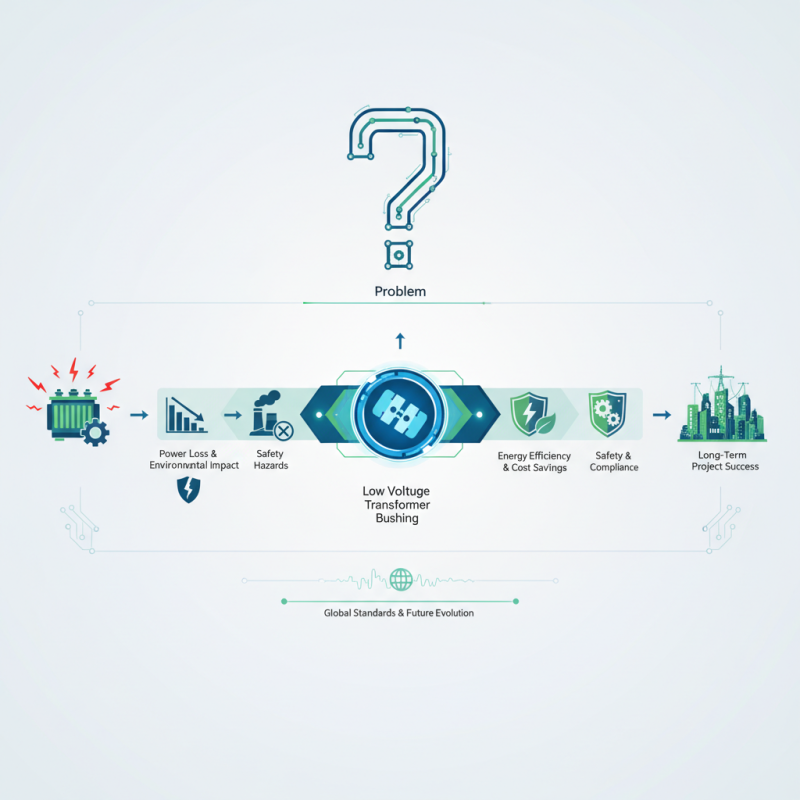
Why Choose Low Voltage Transformer Bushing for Your Projects?

Introduction to Low Voltage Transformer Bushings

Low voltage transformer bushings play a critical role in electrical systems. They provide a safe and efficient path for electrical connections between the transformer and external equipment. These components are designed to withstand electrical stress while keeping the internal environment sealed from moisture and contaminants.

When selecting low voltage transformer bushings, consider their insulation material. Different materials offer varying levels of durability and resistance against UV light and environmental factors. For example, epoxy resin bushings may be more suitable for harsh conditions. However, they can be more expensive and require careful handling.

Installation is another crucial aspect. It’s essential to follow guidelines to prevent issues. Incorrect installation can lead to failures, which are costly and time-consuming to rectify. A thorough understanding of installation techniques is necessary. Skilled professionals should be engaged to ensure proper setup. This attention to detail helps achieve a reliable operation and extend the lifespan of these components.

Why Choose Low Voltage Transformer Bushing for Your Projects?

Feature Description Benefits
Voltage Rating Typically designed for low voltage applications (up to 1kV) Ensures safe and effective operation in low voltage systems
Insulation Type Often utilizes polymer or rubber insulation Enhanced durability and resistance to environmental factors
Mechanical Strength Built to withstand mechanical stress Longer lifespan and reduced risk of failure
Installation Designed for quick and easy installation Saves time and labor costs during setup
Cost-Effectiveness Generally more affordable than high voltage options Ideal for budget-conscious projects without compromising on quality

Understanding the Functionality of Low Voltage Transformers

Low voltage transformers play a crucial role in electrical systems. They reduce high voltages to safer levels for use in homes and businesses. This transformation ensures that appliances and machinery operate efficiently without risk of damage. The functionality of low voltage transformers hinges on their ability to maintain voltage stability while managing current loads.

Their bushings are vital components, acting as insulators and conduits for electrical connections. These bushings ensure that energy flows smoothly, reducing the risk of electrical failures. Inadequate bushing design can lead to overheating or arcing, which presents serious safety concerns. Engineers must carefully consider the materials and configurations used in these bushings, as poor choices can lead to significant project setbacks and increased maintenance needs.

When selecting low voltage transformer bushings, attention to detail is essential. Understanding their operational environment helps ensure optimal performance. Regular monitoring and inspections can reveal early signs of wear or failure. This proactive approach is often overlooked but is critical for sustained reliability in electrical systems. Small oversights can lead to larger issues down the road.

Advantages of Using Low Voltage Transformer Bushings in Projects

Low voltage transformer bushings play a crucial role in electrical systems. They serve as insulators and connectors, allowing conductors to pass through transformer structures. This design helps maintain safety and efficiency in electrical projects. These bushings help reduce the risk of electrical faults. They can prevent arcing and ensure reliable power delivery.


One significant advantage of low voltage transformer bushings is their compact size. They need less space than traditional bushings. This feature is critical in urban settings where space is limited. Moreover, they are easier to install. This can lead to reduced labor costs. The lighter materials also simplify transportation and handling during the project.


However, not all projects benefit equally from low voltage transformer bushings. There are specific scenarios where alternative solutions might be more effective. Projects with extreme environmental factors may require specialized insulation. It’s essential to evaluate the unique needs of each project. Understanding the limitations of these bushings ensures that their application is well-justified. Balancing costs and performance is key to making an informed choice.

Key Considerations When Selecting Low Voltage Transformer Bushings

When selecting low voltage transformer bushings, several essential factors come into play. First, the insulation material is crucial. It should withstand environmental challenges while providing reliable performance. Common materials include silicone and porcelain, each with unique properties. Understanding the operational environment helps in making the right choice.

The current rating is another vital aspect. Ensure the bushing can handle the expected load without overheating. A mismatch here can lead to inefficiencies or even damage. The physical dimensions must also align with your transformer design. A bushing that doesn’t fit properly can create installation headaches and costly delays.

Lastly, consider the manufacturer’s reputation. Reliable brands typically adhere to strict quality standards. Look for certifications and compliance with relevant industry guidelines. While choices abound, not all options provide the same reliability. It's important to weigh different aspects carefully before deciding. Addressing these considerations thoughtfully can significantly impact project success.

Comparison of Low Voltage Transformer Bushing Attributes

Common Applications of Low Voltage Transformer Bushings in Industry

Low voltage transformer bushings are crucial in various industrial applications. These components allow electrical connections between a transformer and its external circuitry while ensuring safety and reliability. Data from the Electric Power Research Institute (EPRI) indicates that improper bushing maintenance leads to about 30% of transformer failures. Thus, understanding their applications is vital.


In power distribution systems, low voltage transformer bushings are widely used. They are essential in connecting transformers to utility lines or substations. The rise of renewable energy sources, such as solar and wind, increases the need for reliable bushing solutions. According to the International Energy Agency (IEA), global renewable electricity generation surpassed 30% in 2022, further emphasizing the need for efficient electrical distribution methods.


Additionally, in the manufacturing sector, low voltage transformer bushings are important for machinery and equipment. They help facilitate smooth operations while minimizing downtime. Regular inspections and timely replacements are necessary. However, many facilities overlook the significance of these components. The lack of awareness can lead to increased operational risks and maintenance costs. Investing in quality bushings can enhance system reliability, ultimately benefiting production lines and efficiency.