- Home
- >
- Knowledge Center
- >
- Blogs
Blogs
Sharing knowledge is key to an innovative and healthy industry! This knowledge center is therefore a central place on our website to share information. Read all about our industry in the blogs below!
How to Choose Cone Crusher Liners for Optimal Performance?
Choosing the right Cone Crusher Liners is crucial for enhancing operational efficiency and extending equipment life. These liners play a key role in crushing materials effectively. However, selecting them can be challenging. Many factors affect performance, including material type and crusher design.
The market offers various liner options, each with distinct features. Some may wear quickly under certain conditions, leading to operational inefficiencies. It’s essential to analyze the specific needs of your operation. Poor liner choices can result in excess downtime and increased costs.
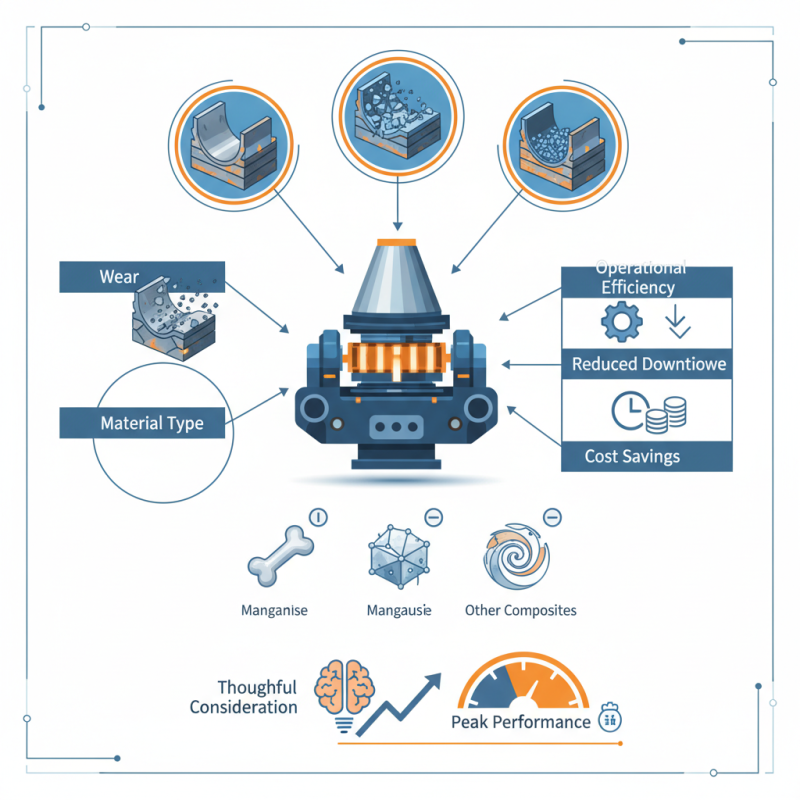
Understanding the materials used in Cone Crusher Liners can lead to better decision-making. Bone, manganese, and other compositions each have unique benefits and drawbacks. Opting for the right liner can optimize productivity but requires thoughtful consideration. This reflection helps in achieving peak performance while minimizing risks.
Understanding the Role of Cone Crusher Liners in Performance
Cone crusher liners play a crucial role in the overall performance of the crushing process. They directly influence the efficiency and product quality. The right liners are essential for achieving optimal output and minimizing wear. When selecting liners, consider the material composition. Options like high manganese steel or alloy steel offer different advantages. The choice impacts durability and efficiency. Another factor to consider is the liner profile. This affects how material is crushed and how it flows through the crusher. Different profiles cater to various applications. Misjudging this can lead to inefficient crushing and excessive downtime. It's worth noting that even minor adjustments in liner configuration can result in significant performance improvements.
Regular inspection and monitoring of liner wear are vital. Wear patterns provide insights into operational efficiency. Identifying issues early can prevent more significant problems later. Many operators overlook this aspect, focusing solely on initial installation. This oversight can lead to inconsistent product quality and unexpected repairs. Investing time in understanding these elements can substantially enhance performance.
Factors Affecting Cone Crusher Liner Selection
When selecting cone crusher liners, several factors come into play. The material composition of the liners influences durability and wear resistance. High manganese steel is common, but there are other alloys tailored for specific applications. Consider the rock type and the abrasiveness. Softer rocks may not require as robust a liner as harder materials.
Another critical factor is the operating conditions. The crusher's setting, throughput, and the feed size all affect liner performance. A tighter setting can lead to increased wear. Operators should monitor these variables closely. Regular adjustments may be necessary to maximize the lifespan of the liners.
Tips: Always inspect the liners for signs of wear. Look for uneven wear patterns. Early detection can save money in the long run. Adjust operational parameters based on real-time data to ensure optimal performance. Aligning these factors can lead to better efficiency and reduced downtime.
Types of Cone Crusher Liners and Their Applications
Choosing the right cone crusher liner is crucial for maximizing performance. Various types of liners exist, each serving specific purposes. Generally, the main categories include standard, medium, and short-head liners. Standard liners offer a larger feed opening and better throughput, ideal for primary crushing. However, they may be less effective in final size reduction.
Medium liners strike a balance. They provide improved particle size distribution while still allowing for ample feed size. Short-head liners, on the other hand, are perfect for finer crushing, delivering a superior finish. However, they work best with smaller feed sizes, potentially limiting throughput.
Selecting the appropriate liner involves understanding the specific application. Different materials have varied requirements. For instance, harder rocks may demand a thicker liner to withstand wear. Conversely, softer materials may require tighter settings to ensure efficiency. This means some trial and error may be needed for optimal results. Regular monitoring of wear patterns is essential for making informed adjustments. Gathering data on liner performance can guide future decisions, enhancing the longevity and effectiveness of your cone crusher setup.
How to Choose Cone Crusher Liners for Optimal Performance? - Types of Cone Crusher Liners and Their Applications
| Liner Type | Material | Application | Advantages |
|---|---|---|---|
| Standard | High Carbon Steel | Primary and Secondary Crushing | Good wear resistance and shock absorption |
| Short Head | Manganese Alloy | Fine Crushing | Improved shape and size control |
| Medium-Fine | Chrome-Moly Steel | Fine Aggregates | High strength and excellent durability |
| Specialty Liners | High Chrome Iron | High Abrasion Applications | Superior wear life in harsh conditions |
Best Practices for Maintaining Cone Crusher Liners
Maintaining cone crusher liners is crucial for optimal performance. The liners endure significant wear from the materials crushed. Using quality materials can help extend their lifespan. Regular monitoring is necessary to identify signs of wear. Studies show that a well-maintained liner can improve crushing efficiency by up to 25%. Frequent inspections and timely replacements can prevent unexpected downtime and costly repairs.
One best practice is to regularly check the liner profile. Maintaining an even wear pattern ensures consistent performance and product quality. Misalignment can lead to uneven wear, lowering efficiency. Aim for an optimal liner setting to avoid excessive wear. Additionally, keeping the feed evenly distributed can minimize impact on the liners, enhancing their longevity and effectiveness.
Tip: Schedule routine maintenance checks after specific production milestones. Doing so can help identify wear early. Also, invest in training for your team to look for warning signs. Understand that neglecting liner maintenance could result in lower production rates and increased replacement costs. Maintaining cone crusher liners may require upfront effort, yet the long-term benefits are substantial.
Evaluating Liner Wear: When to Replace and Upgrade
Evaluating liner wear is crucial for maintaining optimal performance in cone crushers. According to the Mining Magazine, effective liner management can enhance productivity by up to 30%. Operators should regularly monitor the wear patterns on the liners. Unusual wear could indicate improper settings or material quality issues.
When should you consider replacing or upgrading your liners? Typically, liners should be replaced when they wear down to a certain thickness, usually around 40%-50% of the original profile. Waiting too long can result in reduced efficiency and higher operating costs. Studies suggest that early replacement can lead to a 15% increase in throughput.
Furthermore, using advanced materials enhances wear resistance. Newer alloys may offer improved longevity and performance, but they can be costly. It's essential to balance cost against the potential gains in productivity. Regular wear analysis, even when it seems unnecessary, plays a vital role in making informed decisions about liner management.
Don't overlook the small details—they often lead to significant improvements in overall performance.