
- Home
- >
- Knowledge Center
- >
- Blogs
Blogs
Sharing knowledge is key to an innovative and healthy industry! This knowledge center is therefore a central place on our website to share information. Read all about our industry in the blogs below!
How to Choose the Right Damper Actuator for Your Needs?
Choosing the right Damper Actuator can seem daunting. It’s essential to understand their role in HVAC systems. These devices control airflow, impacting energy efficiency and comfort levels.
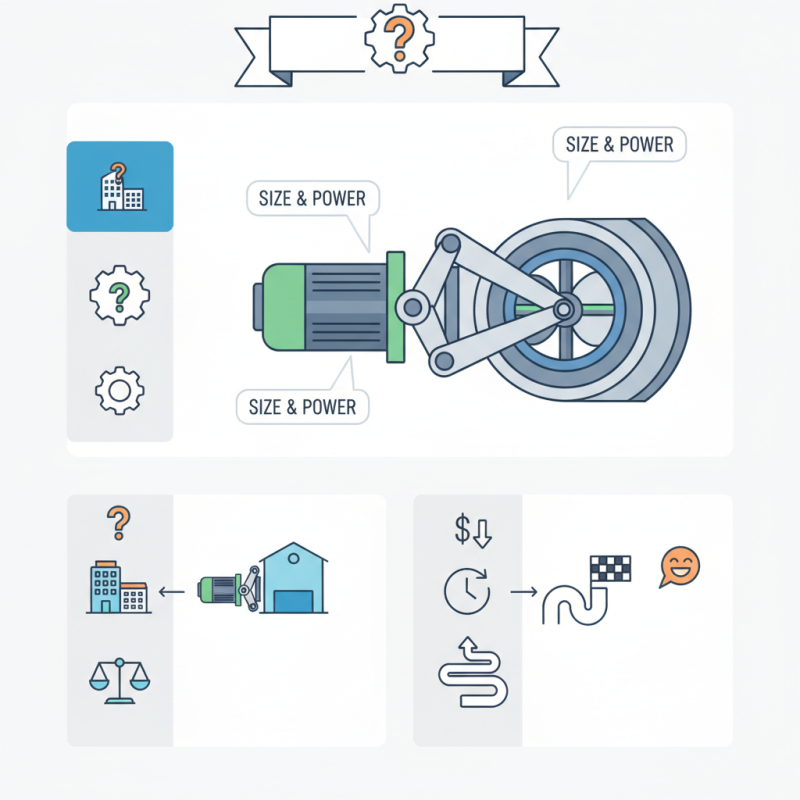
Consider factors like size and power requirements. Not all actuators fit every application. For instance, a small office may require a different actuator than a large warehouse. Evaluate your specific needs carefully.
Take time to reflect on your choices. Sometimes, a more expensive model might actually save costs long-term. Don't rush into a decision. A proper selection can enhance system performance significantly.
Understanding the Purpose of Damper Actuators in HVAC Systems
Damper actuators play a vital role in HVAC systems. They control the airflow within ducts, helping to maintain comfort. By adjusting dampers, these devices regulate temperature and humidity levels. This ensures a consistent indoor climate, which is essential for energy efficiency.
Choosing the right actuator involves understanding your specific needs. Different applications require different types of control. Some systems may need precise adjustments, while others function adequately with less accuracy. This variability needs careful consideration. It’s not always easy to determine the right specifications. Personalization is key, but it can complicate the selection process.
Installation can be tricky. If the actuator is misaligned, the whole system may underperform. One must assess factors like airflow direction and duct size. A poorly chosen actuator may lead to inefficiencies. It’s a mistake many make. It’s important to revisit choices and learn from these experiences. Adjustments can make a significant difference in overall performance.

Identifying the Different Types of Damper Actuators Available
When selecting a damper actuator, understanding the types available is crucial. There are mainly two categories: electric and pneumatic actuators. Electric actuators use motors to control damper positioning. They are versatile and suitable for various applications. Conversely, pneumatic actuators rely on air pressure. They can provide rapid response but require a stable air supply.
In the electric category, you might find linear and rotary options. Linear actuators move in a straight line, making them ideal for specific dampers. Rotary actuators, on the other hand, are more common. They often fit into a broader range of systems and are easier to install. Yet, they can become complex when integrating into existing setups. It’s essential to evaluate your system's compatibility with either type.
Pneumatic actuators also have subtypes, such as single and double acting. Single-acting actuators can only move in one direction, requiring a spring to return. This limitation might not suit all applications. Double-acting actuators offer more flexibility but can be more expensive. Users often find balancing cost and functionality challenging, making careful consideration vital. Always reflect on your specific needs before making a decision.
Evaluating Performance Specifications for Your Application
When selecting a damper actuator, performance specifications are crucial. These include torque, speed, and power requirements. Understand the operational needs of your system. Identify the operating environment, including temperature and humidity. This information helps narrow down options effectively.
Tips: Check the actuator's range of motion. Is it sufficient for your application? That could prevent future issues. Consider the response time as well. A fast actuator might be critical for certain systems.
Compatibility is another area to evaluate. Ensure the actuator matches your existing setup. Mismatched specifications can lead to inefficiencies. It’s worth noting that choosing without complete information can lead to performance gaps. Always double-check details before making a decision.
Assessing Compatibility with Existing Systems and Controls
When selecting a damper actuator, compatibility is crucial. Your current system must integrate smoothly with the new actuator. Examine existing controls, sensors, and wiring layouts. A mismatch can lead to inefficiency and increased maintenance needs.
Consider the actuator's communication protocols. If your system uses specific protocols, ensure the actuator supports them. Check if it can function within your automated environment. This will prevent frustration during installation. Sometimes there may be hidden costs in retrofitting devices.
Pay attention to the actuator’s size and power specifications. It should fit the existing damper without requiring structural changes. A wrong size can cause performance issues. Look at the environment as well. If the actuator needs to withstand harsh conditions, ensure it’s built for that. Compatibility is not just about fitting in; it’s about functioning well together.
How to Choose the Right Damper Actuator for Your Needs
This bar chart illustrates the compatibility assessment of different damper actuator types with existing systems and controls. The dimensions represent the effectiveness in terms of integration, performance, and cost-effectiveness.
Considering Environmental Factors and Installation Requirements
When selecting a damper actuator, environmental factors play a crucial role. Temperature fluctuations can impact performance. If your installation site faces extreme conditions, choose an actuator designed to handle those specifics. Moisture exposure is another consideration; some actuators are better suited for humid environments. Think about how varying temperatures will affect your system over time.
Installation requirements should also guide your choice. Assess the space available for the actuator. Limited space might mean you need a compact design. Verify that the actuator can be easily integrated into your existing systems. Additionally, consider maintenance access. If it’s hard to reach, it might lead to oversight and potential issues down the line.
Many people overlook the necessary adjustments post-installation. Fine-tuning an actuator can be complex but often essential for optimal performance. It’s vital to ensure proper calibration according to the specific applications. Taking care of these details upfront can save time and money in the long run.