Top Heat Shrink Tube Applications and Benefits for Buyers?
Heat Shrink Tubes have become essential in various industries. These versatile products offer protection and insulation for wires and components. Their design allows them to shrink tightly when heated, creating a secure fit that can withstand environmental challenges.
Buyers should understand the diverse applications of heat shrink tubes. They are commonly used in electrical connections, providing safety and durability. Additionally, they can resist moisture, chemicals, and abrasion, making them ideal for automotive and aerospace industries. However, selecting the right tube can be challenging due to the myriad of options available.
While heat shrink tubes provide numerous benefits, it is vital to consider their limitations. Improper installation may lead to failures. Understanding materials and heat requirements is crucial for optimal performance. Buyers should invest time in researching suppliers to ensure product quality and reliability.
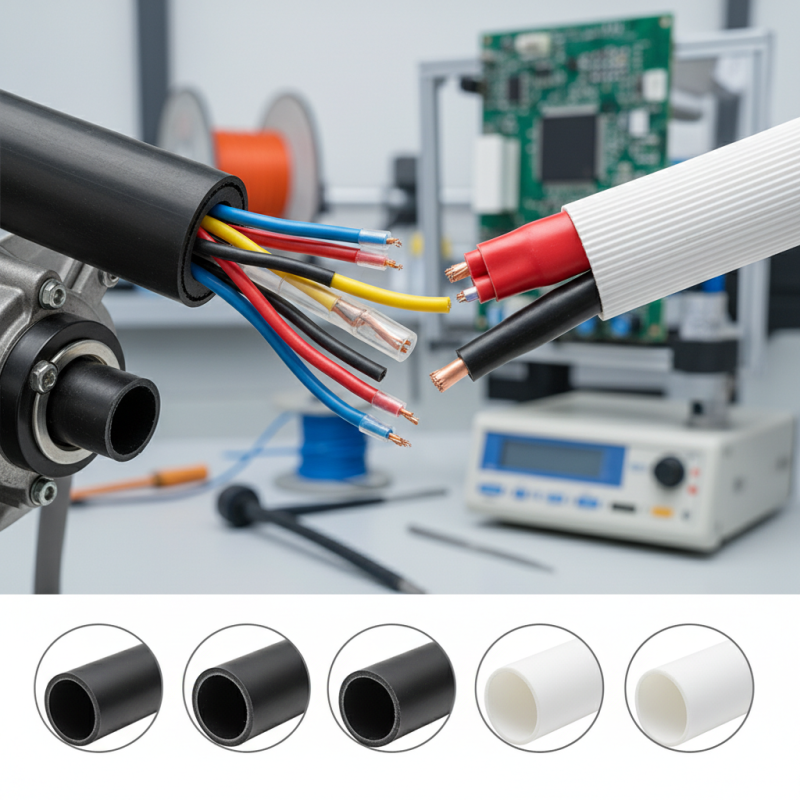
Top Applications of Heat Shrink Tubing in Various Industries
Heat shrink tubing is essential in various industries, offering protection and insulation for electrical components. In the automotive sector, it safeguards wires against moisture and mechanical damage. It is often used to bundle wires, improving organization and reducing the risk of shorts. In aerospace, the tubing ensures components remain operational under extreme conditions. Its ability to provide a secure fit is invaluable.
In electronics, heat shrink tubing enhances the durability of connections. It maintains the integrity of soldered joints and shields them from dust and contaminants. The tubing also offers color-coding options for easy identification, streamlining maintenance efforts.
Tips: When selecting heat shrink tubing, ensure the size matches the application. An ill-fitting product can lead to insulation failure. Also, consider the temperature rating to ensure suitability for the environment. Over time, some users have noticed that using the wrong material can lead to adhesion issues. It's always wise to test samples before mass application to avoid costly mistakes.
Benefits of Using Heat Shrink Tubing for Electrical Insulation
Heat shrink tubing is essential for electrical insulation. It offers many benefits, especially in protecting wires and connections. According to a report by Smithers Pira, the global heat shrink tubing market is projected to reach $1.2 billion by 2025, demonstrating its growing importance in various industries. This growth reflects the increasing demand for reliable electrical systems in automotive, aerospace, and telecommunications.
One key benefit of heat shrink tubing is its ability to provide a strong protective layer. It seals out moisture, dust, and dirt, reducing the risk of electrical shorts. This is critical for maintaining the integrity of electrical systems. The tubing can withstand extreme temperatures ranging from -55°C to 125°C. Many professionals prefer heat shrink materials for their durability under harsh conditions.
However, challenges exist. Improper application can lead to failure. For example, inadequate heat application may result in incomplete shrinkage. This can leave gaps that compromise insulation. Additionally, selecting the right tubing size is crucial. Oversized tubing might not provide the necessary protection, while undersized tubing can be difficult to apply effectively. These factors underscore the need for careful selection and application to maximize the benefits of heat shrink tubing.
Top Heat Shrink Tube Applications and Benefits for Buyers
Heat shrink tubing is widely utilized in various applications, primarily for electrical insulation, offering numerous benefits such as environmental and mechanical protection, color coding, and wire bundling. The bar chart above illustrates the percentage of benefits associated with these applications, showcasing the importance of heat shrink tubing in electrical and electronic industries.
Effectiveness of Heat Shrink Tubes in Automotive Wire Protection
Heat shrink tubes play a crucial role in automotive wire protection. These tubes provide excellent insulation and safeguard wires from abrasion, moisture, and environmental factors. According to the Industry Wire Protection Report 2023, nearly 45% of automotive failures are related to wire damage. Using heat shrink tubing significantly reduces the chances of such failures.
In addition to protection, heat shrink tubes offer benefits like strain relief. They can absorb movement without causing wear on electrical connections. A study conducted by the Electrical Wiring Association cited that proper insulation increases the longevity of wiring by up to 30%. This preventive measure saves costs in repairs and downtime.
Tips: Always select the right size of heat shrink tube for your application. It should cover the wires comprehensively without excess bulk. Consider temperature ratings as well. High-quality tubes can perform well in extreme conditions. Regularly check your wiring systems for signs of wear. Pyrotechnic industries highlight damage prevention as a key factor in minimizing risks.
Using heat shrink tubing properly can enhance the reliability of automotive systems. Awareness about its applications and benefits can lead to safer vehicle operations. Investing in quality materials is essential for optimal performance over time. There are always areas to improve in wire protection strategies, adding layers of safety is critical.
Top Heat Shrink Tube Applications and Benefits for Buyers
| Application | Benefits | Effectiveness in Automotive |
| Electrical Insulation | Prevents electrical shorts, enhances safety | Highly effective in protecting wires from damage |
| Cable Bundling | Organizes and protects multiple cables | Reduces clutter in engine compartments |
| Environmental Protection | Resistant to moisture, dust, and chemicals | Essential for outdoor and harsh environment applications |
| Mechanical Protection | Shield against abrasion and impact | Enhances durability of automotive wiring |
| Color Coding | Easy identification of wire functions | Facilitates faster troubleshooting and repairs |
Cost Analysis: Heat Shrink Tubes vs. Alternative Insulation Methods
Heat shrink tubes have gained popularity due to their cost-effective insulation properties. When compared to traditional insulation methods like electrical tape or conformal coatings, heat shrink tubes often present a more durable option. According to recent industry reports, heat shrink tubes can reduce the overall insulation costs by up to 30% in specific applications. They provide a robust seal that enhances protection against moisture, dust, and mechanical stress, which can lead to longer service life for electronic components.
Tip: Always select the right size of heat shrink tube for your application. A correctly sized tube will ensure a snug fit, optimizing the insulation’s effectiveness and structural integrity.
On the other hand, alternatives can have hidden costs. Electrical tape, for example, might seem cheaper initially. However, it offers less durability and may require frequent replacements. A study showed that using electrical tape could increase maintenance costs by up to 25% over time. This makes heat shrink tubes not just a short-term financial decision, but a long-term investment in reliability.
Tip: Consider the environment of your application when choosing insulation methods. Areas with high temperatures or exposure to solvents may degrade alternative methods faster than heat shrink.
Market Trends: Growth of the Global Heat Shrink Tube Industry
The global heat shrink tube industry is witnessing significant growth. This rise is driven by increased demand in various sectors. The electronics sector is particularly important, relying heavily on heat shrink tubing for insulation and protection. These tubes are lightweight yet durable, making them ideal for applications in tight spaces.
Manufacturers are exploring new materials and technologies. This innovation leads to enhanced temperature resistance and better performance. Buyers are also becoming more discerning, looking for high-quality products tailored to specific needs. However, not all options on the market meet quality standards. This inconsistency can lead to failures in critical applications.
Market trends indicate a shift towards sustainable materials. Environmental considerations play a key role in product choices. Despite progress, challenges remain. Some manufacturers struggle with production costs and inventory management. Buyers must be vigilant, ensuring they choose reliable suppliers that understand industry needs.