How to Effectively Perform Iso Tank Repair for Optimal Safety and Efficiency?
In the world of logistics and transportation, the importance of safe and efficient Iso Tank Repair cannot be overstated. Industry expert, John Smith, states, "Proper maintenance is the cornerstone of operational safety." His insights highlight the necessity of addressing repairs promptly and effectively. Iso tanks are essential for transporting various liquids, including hazardous materials. Neglecting their maintenance can lead to severe safety risks and operational inefficiencies.
When dealing with Iso Tank Repair, one must consider the specific challenges involved. Inspecting for leaks, corrosion, and structural integrity is crucial. Each of these issues requires careful attention. Proper repair techniques must be followed to ensure compliance with safety regulations. Experience plays a vital role here. Knowledgeable technicians are indispensable in identifying potential problems early on.
The repair process is often fast-paced and demanding. Yet, overlooking details can lead to significant setbacks. Every step, from assessment to execution, must be approached with diligence. Time spent on effective Iso Tank Repair pays off in increased safety and efficiency. A well-maintained tank can prevent accidents and reduce costs over time. Therefore, continuous improvement and learning within this field are essential.
Understanding Iso Tank Structure and Common Failure Points
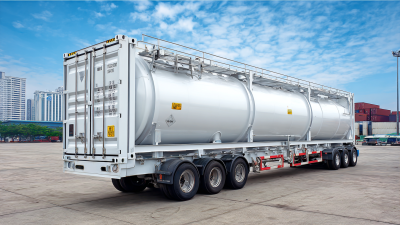
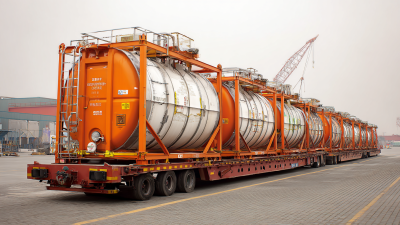
Iso tanks are essential for transporting various liquids. Understanding their structure can help in identifying potential failure points. Iso tanks typically consist of an outer stainless-steel shell, an inner tank for the liquid, and insulation materials to maintain temperature. According to industry reports, nearly 25% of tank failures stem from corrosion issues. Corrosion can occur due to improper maintenance or exposure to harsh chemicals. Operators must evaluate the tank's integrity regularly, especially at welds and joints, which are vulnerable areas.
Another key failure point involves pressure relief valves. These valves are crucial in preventing overpressure, yet they can malfunction due to debris or wear. Approximately 15% of reported incidents involve valve failures. Regular inspection of these components can minimize risk. Professionals recommend testing the valves monthly to ensure they function properly.
It's important to acknowledge that even with rigorous maintenance, incidents can occur. Equipment reliability may wane over time, necessitating more frequent checks. While many operators strive for safety, real-world conditions can pose challenges. By focusing on identified weak points and fostering a culture of safety, the efficiency and longevity of iso tanks can be significantly improved.
Safety Precautions Before Starting Iso Tank Repair Operations
Before initiating iso tank repair operations, safety precautions are critical for both workers and equipment. An estimated 30% of workplace accidents occur due to insufficient safety measures. Conducting a thorough risk assessment can dramatically reduce this figure. Workers must don appropriate personal protective equipment (PPE). This includes protective gloves, goggles, and respiratory gear. Proper training ensures that operators understand the potential hazards involved. Ignoring these precautions may lead to severe incidents, resulting in costly delays.
Moreover, creating a well-defined action plan is essential for effective iso tank repairs. Following guidelines set by industry standards, such as those from the Occupational Safety and Health Administration (OSHA), can provide a framework. According to a report by the National Safety Council, implementing safety checks before and during repair operations decreases injury rates by over 20%. Ensure all tools and materials are inspected and certified for safety. Engaging in a pre-repair briefing can align the team's understanding of safety protocols. Address any uncertainties to foster a safer working environment.
The environment surrounding repair operations also warrants attention. Adequate ventilation prevents the buildup of hazardous fumes, which is vital. Research indicates that nearly 40% of accidents stem from working in confined spaces without proper air quality checks. Storing flammable materials safely is non-negotiable. Proper labeling and secure storage practices can significantly diminish risks associated with repair operations. A proactive approach can create a robust safety culture, minimizing the likelihood of incidents during iso tank repairs.
Step-by-Step Procedure for Inspecting Iso Tanks
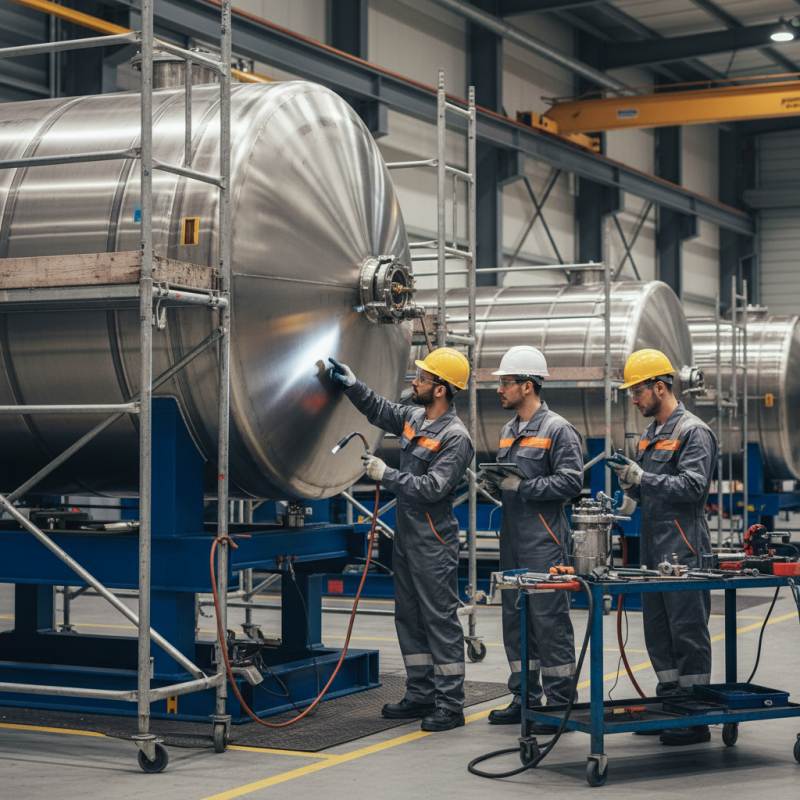
Inspecting iso tanks requires careful attention to detail. The first step is to visually examine the exterior for any sign of damage or corrosion. Look closely for rust spots, dents, and other deformities. A simple flashlight can help illuminate hard-to-see areas. Checking the tank’s connection points is crucial. Ensure all seals and valves are intact. Any sign of leaks must be addressed immediately.
Next, conduct a thorough internal inspection. This involves cleaning the tank before entry; safety gear is essential. Use a device to measure the wall thickness. This measurement helps detect any weakness. Inspect internal surfaces for residue or contaminants. Take note of any unusual odors.
Documentation is vital throughout this process. Record all findings in a detailed report. This not only ensures compliance with safety standards but also helps in future assessments. Reflecting on past inspections can highlight recurring issues. Continuous improvement is key to maintaining tank integrity and safety.
Iso Tank Repair Safety and Efficiency: Inspection Metrics
Techniques and Tools for Effective Iso Tank Repairs
When performing iso tank repairs, using the right techniques and tools is crucial for ensuring safety and efficiency. Start with a thorough inspection of the tank to identify leaks or structural damage. Utilize specialized inspection tools, like ultrasonic thickness gauges. They provide accurate readings on the tank's integrity. This helps prevent potential failures during operation.
For effective repairs, focus on the right materials. Use industry-grade sealants and welding techniques suitable for iso tanks. Gas tungsten arc welding (GTAW) is often recommended for its precision. Make sure to follow safety protocols throughout the repair process. Always wear protective gear and work in a well-ventilated area.
Tips: Document every step of the repair process. This practice helps in tracking issues and enhances accountability. Consider using digital tools for real-time monitoring of repairs. Engage with experienced professionals if uncertainties arise. Sharing knowledge is essential for improving repair techniques and maintaining safety standards. It’s vital to reflect on past repair experiences to continuously enhance methods for the future.
Quality Control Measures Post-Repair for Iso Tanks
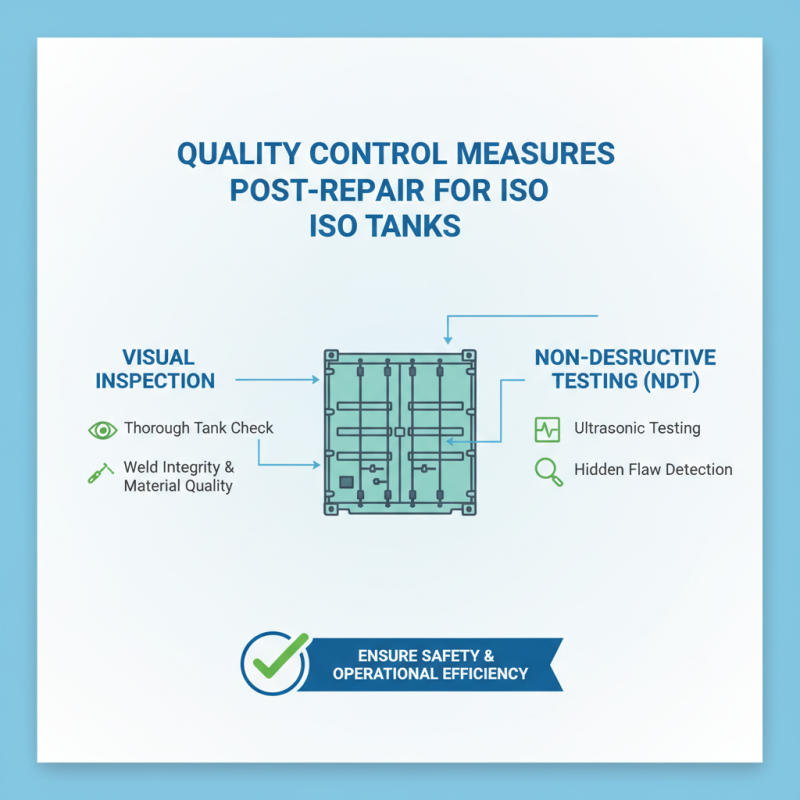
After performing repairs on iso tanks, strict quality control measures are essential. This ensures safety and efficiency in operations. Inspect the tank thoroughly, focusing on weld integrity and material quality. Visual inspections should be complemented by non-destructive testing methods like ultrasonic testing. This combination helps identify potential issues that may not be visible.
Regular documentation is vital. Maintain accurate records of repair activities. This includes details of the materials used, the specific repairs conducted, and the inspection results. Such documentation serves as a reference for future repairs and audits. It also builds a repository of knowledge that can enhance team training and performance.
Tip: Conduct routine audits to evaluate repair processes. These audits can reveal both strengths and weaknesses in your methods. Engage your team in discussions about these findings. Foster an environment of continuous improvement and safety awareness. Remember, every repair is a learning opportunity. It's crucial to reflect on past repairs and seek ways to enhance future processes.