Top 10 Motorized Valve Benefits You Didn't Know About?
In the world of automated systems, "Motorized Valves" have become a game-changer. Industry expert John Smith once stated, "Motorized Valves are the backbone of efficient fluid control." This statement emphasizes their significance in various applications. Despite their popularity, many people remain unaware of the full extent of benefits that motorized valves offer.
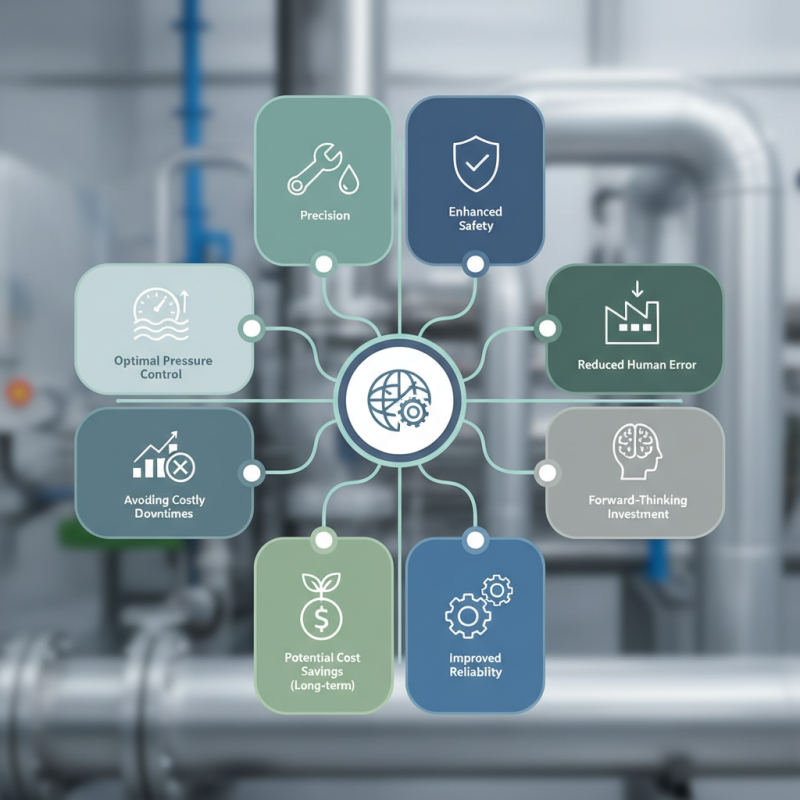
These devices provide not only precision but also enhanced safety. Imagine a factory where valves operate automatically, reducing the risk of human error. They help in maintaining optimal pressure and flow rates, avoiding costly downtimes. However, some businesses still hesitate to adopt this technology. Concerns about initial costs or maintenance can lead to missed opportunities.
Exploring the advantages of motorized valves reveals their impact on productivity and reliability. While there are challenges to consider, the potential benefits far outweigh them for forward-thinking organizations. Investing in motorized valves could be a transformative step towards greater efficiency and control.
Understanding Motorized Valves: What Are They?
Motorized valves play a crucial role in various industries, automating the control of fluid flow. These devices can efficiently regulate liquids and gases, enhancing process accuracy. In many applications, they are preferred due to their rapid response and precision. According to industry reports, motorized valves can improve operational efficiency by up to 30%. This translates into significant cost savings and optimized resource management.
Understanding how motorized valves work is essential. They utilize electric actuators to operate the valve mechanism. This means that they can be controlled remotely or automatically, reducing the need for manual intervention. Many facilities report a reduction in maintenance time of up to 50% after switching to motorized variants. However, it's important to note that dependency on electric systems can pose risks. Power outages or failures can disrupt operations, highlighting the need for backup solutions.
Moreover, motorized valves contribute to the overall safety of operations. They can be integrated with smart systems for real-time monitoring. This capability allows for immediate adjustments, minimizing the chances of accidents. Yet, integration can be complex and may require a steep learning curve for staff. As businesses strive for automation, the challenges in adopting these technologies should not be overlooked. Successful implementation hinges on careful planning and training.
Enhanced Control: Precision Regulation of Fluid Flow
Precision regulation of fluid flow is a critical aspect in various industries. Motorized valves contribute significantly to enhancing control mechanisms. According to a report by the International Society of Automation, facilities utilizing motorized valves can achieve up to 30% more efficiency in fluid management. This level of precision aids in minimizing waste and optimizing resources.
These valves allow for automated adjustments in flow rates. They respond to real-time data, ensuring that fluid dynamics remain within optimal parameters. A study from the American Society of Mechanical Engineers noted that facilities with precision-controlled fluid systems report fewer operational disruptions. This is vital for industries where downtime can lead to substantial financial loss.
However, the implementation of such technology is not without challenges. Many facilities struggle with the integration of motorized systems into existing infrastructure. Training staff to operate and maintain these systems can require significant investment. A report from the Manufacturing Institute highlights that around 40% of companies faced difficulties during the transition. This calls for a reflective approach where companies assess their readiness before adopting advanced motorized solutions.
Energy Efficiency: How Motorized Valves Contribute to Savings
Motorized valves can significantly enhance energy efficiency in various systems. They automatically regulate fluid flow, preventing wasteful energy usage. This precise control ensures that systems operate within optimal parameters. When valves close tightly, they maintain desired temperatures, reducing the need for excessive heating or cooling.
One of the key advantages is reduced energy consumption. Regularly maintained motorized valves can last longer and work efficiently. This leads to lower utility bills. In industrial applications, the savings can be substantial, reflecting good management practices.
Tips: Always check valve seals for wear. A small leak can lead to energy loss. Additionally, regularly calibrate control systems to maintain accuracy. Remember, routine maintenance is not just an expense; it saves money over time. Consider the impact of neglecting small issues; they can grow into larger problems. Efficient systems often rely on seemingly trivial components.
Improved Safety Features: Reducing Risks in Operations
Motorized valves have become essential in modern industrial operations. One key advantage is their improved safety features. These valves enhance safety by automating control processes. According to a report from the American Society of Mechanical Engineers (ASME), automated systems can reduce human error by up to 70%. This substantial reduction can lead to fewer accidents and better operations management.
One remarkable feature is the emergency shut-off capability. Motorized valves can quickly stop flow, minimizing risks during potential malfunctions. This is vital when dealing with hazardous materials. Furthermore, the ability to monitor valve positions through sensor technologies adds an extra layer of safety. This real-time data helps operators make informed decisions promptly.
Tip: Regular maintenance of motorized valves is crucial. Wear and tear can compromise safety features. Check for any signs of corrosion or malfunction. Awareness is key. Operators should also be trained on emergency protocols for valve failures, ensuring a swift response.
While motorized valves offer improved safety, not all systems are foolproof. Some installations might have outdated technology, leading to gaps in safety. Continuous evaluation of systems is necessary. An investment in new technologies could enhance overall safety and efficiency in operations.
Top 10 Motorized Valve Benefits You Didn't Know About? - Improved Safety Features: Reducing Risks in Operations
| Benefit | Description | Impact on Safety |
| Automated Control | Allows precise control over valve operation | Reduces human error and enhances safety |
| Remote Operation | Can be operated from a distance, ensuring safer access | Minimizes exposure to hazardous environments |
| Emergency Shut-off | Quickly stops the flow in emergencies | Protects personnel and equipment from damage |
| Feedback Systems | Provides real-time status updates | Ensures immediate awareness of valve operations |
| Fail-Safe Mechanisms | Automatically defaults to the safe position | Reduces risk of accidents during failures |
| Integrated Sensors | Monitors pressure and temperature | Prevents hazardous conditions from developing |
| Durability | Designed to withstand extreme conditions | Ensures long-term operational safety |
| User-Friendly Interfaces | Simplifies operation and monitoring | Enhances operational efficiency |
| Energy Efficiency | Reduces energy consumption | Mitigates environmental impact |
| Regular Maintenance Alerts | Indicates when maintenance is due | Prevents accidents from neglected repairs |
Automated Operations: Integration with Smart Technology
Automated operations are changing industries. Motorized valves integrate seamlessly with smart technology. This makes systems more efficient. With real-time data monitoring, operators can adjust processes on the fly. Imagine being able to change flow rates instantly. This capability can save time and resources.
Furthermore, these valves enhance precision in fluid management. By minimizing human error, they improve safety. However, not all users fully understand their potential. Some may struggle with the initial setup. It can be complex, and technical support is often needed. Ongoing training is crucial for staff to maximize benefits.
Integration with smart technology also opens new doors. Remote monitoring becomes easier. Users can access systems from anywhere. Although, cybersecurity is an ongoing concern. Protecting data while using automation is essential. Balancing efficiency and security can be a challenge. It's an area that needs continuous improvement.