Essential Tips for Hose Skiving Machines at the 139th Canton Fair?
The upcoming 139th Canton Fair presents a pivotal opportunity for manufacturers and buyers focused on Hose Skiving Machines. With the fair taking place from April 15 to May 5, 2026, it gathers a variety of industries under one roof, especially advanced manufacturing and machinery. According to recent industry reports, the hose fitting market is expected to reach a valuation of approximately $6 billion by 2027, highlighting a growing demand for efficient production tools.
Hose Skiving Machines play a critical role in the production of flexible hoses. They ensure precision by trimming hoses to the required specs, enabling better fitting and performance. Yet, not all machines on the market meet the increasing standards. Companies often overlook factors like durability and maintenance needs, leading to production setbacks. The introduction of AI-powered tools at the fair will help buyers identify reliable suppliers quickly, but understanding machine specifications still requires thorough evaluation.
Attendees should approach their search with a clear understanding of what to look for in Hose Skiving Machines. There’s room for improved technology and efficiency in this space. As buyers navigate through the expansive exhibition, they must keep an eye on quality indicators such as ISO and CE certifications. It’s not just about finding a machine; it’s about investing in the future of hose production.
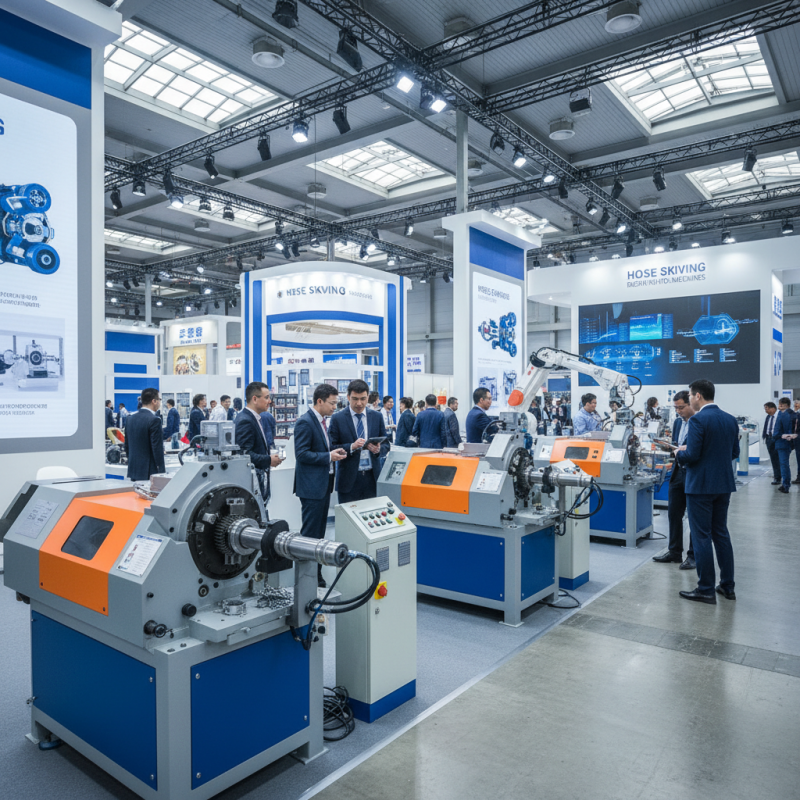
Key Features of Hose Skiving Machines for Optimal Performance
When considering hose skiving machines, key features drive optimal performance. Precision is vital. Machines must deliver consistent results to ensure quality hose fittings. According to industry data, skiving inaccuracies can lead to significant material waste, affecting overall efficiency. Regular maintenance checks are crucial. Neglected machines can lag, impacting production timelines.
Investing in machines with adjustable settings is beneficial. Customization allows operators to adapt to various hose types. This flexibility enhances overall productivity. Moreover, high-speed capabilities can boost output, potentially increasing revenue by up to 20%. However, operators must receive adequate training. Poor handling can lead to decreased machine lifespan and more frequent repairs.
Tip: Always customize parameters based on the task at hand. This approach enhances accuracy and reduces muscle strain during operation. Keep a log of maintenance schedules. This helps identify recurring issues and allows for timely interventions. Analyzing this data may reveal patterns that indicate when it's time for replacement or upgrade.
Essential Tips for Hose Skiving Machines at the 139th Canton Fair
This bar chart represents the effectiveness of various key features of hose skiving machines, showcasing the importance of performance metrics such as speed, precision, durability, and versatility. The data is based on performance indicators observed during product demonstrations at the fair.
Understanding the Working Principle of Hose Skiving Machines
Hose skiving machines are essential in preparing hoses for fittings. Their operation relies on a precise working principle. The machine removes the outer cover and inner liner of flexible hoses. This process ensures proper fitting, which prevents leaks and enhances overall performance.
According to industry reports, the global market for hose skiving machines is expected to grow. The growth rate is projected at 5.2% annually from 2021 to 2028. This is due to the increasing demand for high-quality hydraulic and pneumatic hoses. In industries like automotive and construction, these machines play a crucial role. Operators need to understand the skiving process fully. Improper handling could lead to defects and inefficiencies.
The machine typically uses a rotating blade. It cuts the hose to specific lengths while ensuring accurate skiving. It’s important to maintain the machinery for optimal performance. Regular inspections can identify wear and tear. Operators often neglect this step, resulting in lower quality output. Assessing the machine's condition should be a priority, as even slight damage can affect production.
Common Applications of Hose Skiving Machines in Industries
Hose skiving machines are essential in many industries. They are primarily used for preparing hoses for fittings. This process is crucial in ensuring secure connections. Common applications include automotive, construction, and oil and gas sectors. These machines can efficiently remove the outer layer of hoses. This helps achieve a precise fit for safety and durability.
Tips for operating hose skiving machines effectively include regular maintenance checks. Keeping the machine clean can prevent potential issues. Operators should also be trained in safety protocols. Ignoring these steps can lead to accidents or equipment damage.
Another key tip is to monitor hose sizes closely. Variability in hose dimensions can complicate the skiving process. Adjustments may be needed for different materials. Not recognizing these differences can result in errors. It's important to have a clear understanding of the types of hoses used. Some machines may require specific settings for optimal performance. Ignoring these details can affect production quality.
Essential Tips for Hose Skiving Machines at the 139th Canton Fair - Common Applications of Hose Skiving Machines in Industries
| Application Area | Industry | Hose Type | Benefits of Skiving |
| Automotive | Transportation | Hydraulic Hoses | Improved connection strength |
| Agricultural | Farming | Irrigation Hoses | Enhanced durability |
| Construction | Heavy Equipment | High-Pressure Hoses | Leak resistance |
| Chemical | Manufacturing | Corrosion-Resistant Hoses | Safety and compliance |
| Marine | Shipping | Marine Hoses | Waterproofing |
Maintenance Tips for Enhancing the Longevity of Hose Skiving Machines
When it comes to hose skiving machines, proper maintenance is critical for longevity. Regular cleaning helps to prevent debris buildup. Dust and material residue can hinder performance. Daily checks of the machine fluids are also important. Low fluid levels can lead to overheating and inefficiency.
One common mistake is neglecting lubrication. Most operators forget to lubricate moving parts regularly. This can result in wear and tear. Over time, it could cause machine failure. Implement a lubrication schedule. It may seem tedious, but it saves time and costs in the long run.
Keep an eye on the machine's operation. If you notice unusual noises or vibrations, investigate immediately. These signs often indicate underlying issues that require prompt attention. Inadequate response can lead to larger problems. Don't wait until the machine breaks down; proactive monitoring is essential.
Innovations in Hose Skiving Technology: Trends to Watch at the Fair
At the 139th Canton Fair, hose skiving technology is set to take center stage. Exhibitors will showcase groundbreaking advancements that enhance efficiency and precision in hose skiving. This technology is crucial for the assembly of hydraulic hoses, often impacting performance and safety. Recent data shows that a 15% increase in skiving accuracy can lead to a significant reduction in failures.
Among the trends to watch, automation is at the forefront. Machines equipped with AI can adapt to various hose types without manual adjustments. This flexibility can save time and reduce labor costs. A report from the Hose and Fittings Association indicates that automated skiving machines may reduce production time by up to 30%. However, companies must also address the learning curve associated with these innovations.
Another focus is the materials used in hose skiving machines. Advances in tool design and coatings enhance durability and effectiveness. Yet, this comes with higher initial investment barriers for smaller manufacturers. As the industry evolves, companies must reflect on their capacity to integrate these advanced technologies effectively while remaining competitive in pricing. Adaptation and continuous improvement are necessary for success.