
Blogs

Sharing knowledge is key to an innovative and healthy industry! This knowledge center is therefore a central place on our website to share information. Read all about our industry in the blogs below!

Top 10 Benefits of Brass Die Casting for Global Buyers?

In the world of manufacturing, Brass Die Casting stands out for its numerous advantages. This process has become increasingly popular among global buyers. Companies value the precision and durability that brass die casting offers. The ability to create intricate designs with tight tolerances is crucial in today's competitive market.

Moreover, brass die casting enhances efficiency in production. It allows for streamlined workflows and faster turnaround times. Manufacturers often observe a reduction in waste material, leading to cost savings. The production speed and quality can significantly impact overall profitability.

Understanding the benefits of brass die casting can guide buyers in making informed decisions. A thoughtful approach can lead to better partnerships and product outcomes. While challenges exist, the potential rewards are worth considering. Exploring the top advantages of brass die casting can reveal opportunities for innovation and growth.
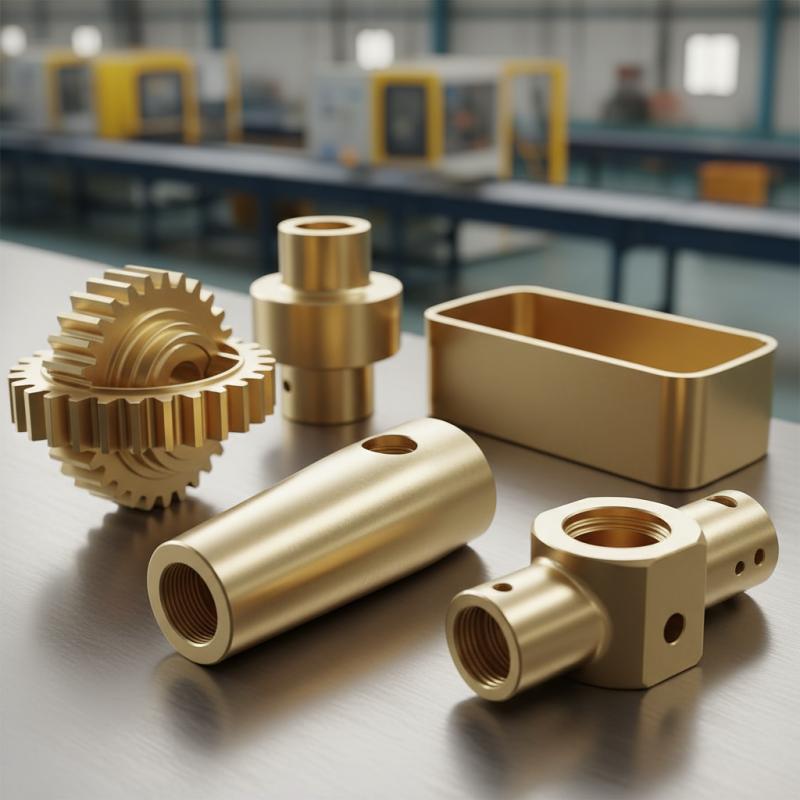
Top 10 Benefits of Brass Die Casting for Global Buyers?

Understanding Brass Die Casting: A Comprehensive Overview

Brass die casting is a widely used manufacturing process in various industries. This technique involves pouring molten brass into a mold to create precise and intricate components. It is notable for producing high-quality parts with excellent surface finish and dimensional accuracy. Brass die casting is not just efficient but also cost-effective.

One key advantage of this process is its versatility. Brass can be alloyed with other metals to enhance specific properties, like corrosion resistance and malleability. This adaptability makes it suitable for numerous applications, from automotive to electronics. However, not all designs are optimal for die casting. Some complex shapes may require additional considerations.

Maintaining quality control can be challenging. Factors such as temperature fluctuations and mold wear can affect the final product. Regular inspection and adjustments are necessary. Buyers must consider these aspects to ensure the desired outcome. Understanding brass die casting requires knowledge of both its benefits and potential limitations. This awareness can help in making informed purchasing decisions.

Benefits of Brass Die Casting for Manufacturing Industries

Brass die casting offers significant advantages for manufacturing industries. This process ensures high precision in producing intricate shapes. The durability of brass makes it ideal for various applications, including automotive and electrical components. It resists corrosion, which is crucial for products exposed to harsh environments. As a result, manufacturers can achieve long-lasting quality.

The versatility of brass die casting is noteworthy. It can accommodate diverse designs, which enhances product development. Moreover, the rapid production capability can help meet tight deadlines. Firms can produce components efficiently, reducing overall costs. However, one must consider the initial investment in die casting molds.

Research shows that brass die casting contributes to sustainability. The process minimizes waste compared to other manufacturing techniques. Additionally, the smooth surface finish often requires less machining, saving resources. Still, some manufacturers may overlook these benefits. They often focus on immediate costs instead of long-term savings. By recognizing the full value of brass die casting, companies can make more informed decisions in their production processes.

Cost Efficiency: How Brass Die Casting Reduces Production Expenses

Brass die casting has become a popular choice for manufacturers seeking cost efficiency. This method allows for precise shaping of brass parts, reducing material waste. When compared to traditional machining, die casting minimizes the cost per unit, especially for mass production. This efficiency becomes even more pronounced when creating intricate designs, as complex parts can be produced with minimal additional costs.

The tooling costs may appear high initially, yet they quickly pay off through lower production expenses. Quality control within the die casting process ensures that defects are rare, leading to fewer reworks and repairs. This reliability can enhance overall profitability, a key concern for global buyers. However, it's crucial to regularly evaluate the process. Occasionally, poor-quality molds may lead to increased defects. Such issues highlight the importance of selecting experienced partners in the die casting industry. Addressing these challenges promotes continuous improvement and solidifies the value of brass die casting in the manufacturing landscape.

Durability and Strength: Advantages of Brass in Die Cast Products

Brass die casting has gained recognition for its durability and strength, making it a preferred choice for many industries. Brass is an alloy primarily composed of copper and zinc, known for its excellent mechanical properties. According to industry reports, brass products can withstand high stress and resist wear, ensuring longevity in various applications. This makes them suitable for both outdoor and indoor use, where environmental factors may otherwise cause damage.

The strength of brass in die cast products is complemented by its corrosion resistance. Test results indicate that brass can endure harsh conditions without significant degradation. This attribute is vital for components used in plumbing, automotive, and electrical applications. However, it's important to consider the balance between strength and malleability. While brass is strong, it can sometimes become brittle if not properly alloyed or treated during the casting process, leading to potential failures.

Cost is another factor to evaluate. Brass die casting can be more expensive than other materials, like aluminum or plastic. Buyers may need to assess whether the benefits of durability and long service life justify the initial investment. In some instances, opting for a less expensive material might seem appealing, but could lead to higher costs over time due to replacements or repairs. Each decision must weigh immediate budget concerns against long-term performance and reliability.

Sustainability and Environmental Impact of Brass Die Casting Techniques

Brass die casting is increasingly recognized for its sustainability advantages. This technique reduces waste significantly compared to traditional methods. According to industry reports, die casting can minimize material waste by up to 50%. Such efficiency is crucial for manufacturers aiming to lower their environmental footprint.

The energy consumption in brass die casting is also noteworthy. Research indicates that this method requires 20-30% less energy compared to alternatives like sand casting. Such energy savings lead to decreased greenhouse gas emissions, aligning with global sustainability goals. However, the process still relies on metal melting, which carries an environmental impact that needs constant innovation.

Tips for buyers include assessing suppliers' environmental practices. Look for certifications or reports that showcase their commitment to sustainability. Establishing partnerships with responsible manufacturers is key. Engage in discussions about their waste management and energy efficiency strategies. A collaborative approach can yield better results for both parties.