
- Home
- >
- Knowledge Center
- >
- Blogs
Blogs
Sharing knowledge is key to an innovative and healthy industry! This knowledge center is therefore a central place on our website to share information. Read all about our industry in the blogs below!
Top 10 Electric Ball Valves for Optimal Performance and Control?
In today's industrial landscape, Electric Ball Valves play a crucial role in process control. They are essential for many sectors, including oil and gas, water treatment, and manufacturing. According to a recent report by Research and Markets, the global electric valve market is projected to grow significantly. The demand for efficient and reliable control systems drives this trend.
Electric Ball Valves provide precise flow regulation, enhancing system performance. Their electric actuation allows for remote operation, which increases safety and efficiency. However, not all electric ball valves are created equal. Some products may fail under demanding conditions, leading to unplanned downtime. This highlights the need for thorough evaluation when selecting a model.
Choosing the right Electric Ball Valves can be a complex process. Factors like valve design, material compatibility, and actuator type must be considered. Despite the wealth of options available, organizations sometimes overlook critical specifications. This can result in suboptimal performance and costly repairs. Discovering the top 10 electric ball valves ensures optimal functionality and reliability for any application.
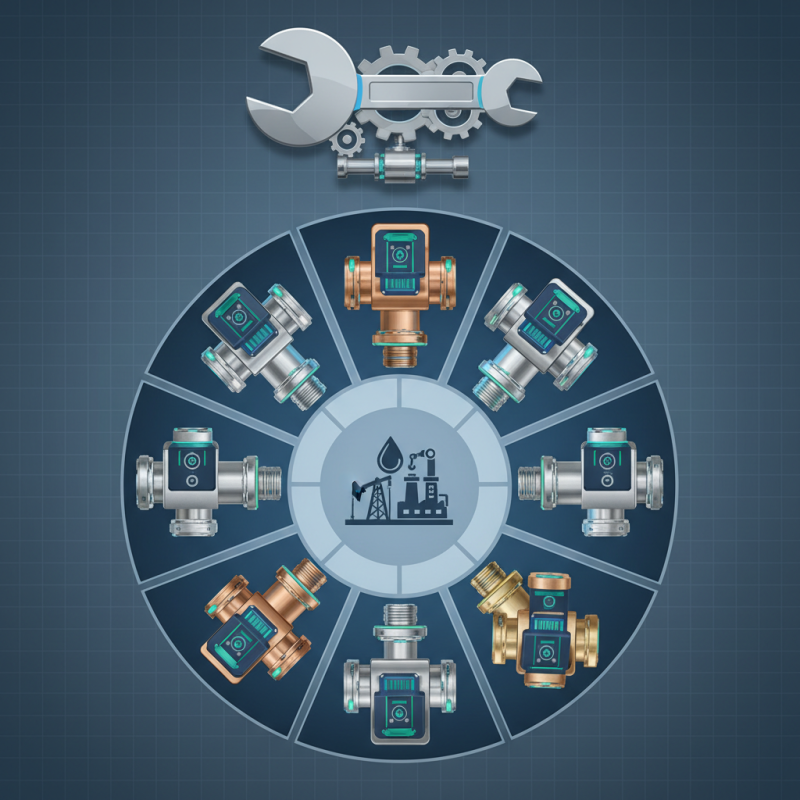
Top Features to Consider in Electric Ball Valves for Efficiency
When selecting electric ball valves, efficiency is key. Look for features like quick operation. Studies indicate that valves with a fast response time can improve overall system performance by up to 30%. A valve that opens and closes swiftly reduces downtime and enhances control. Additionally, consider energy consumption. An efficient electric ball valve should minimize power usage while ensuring reliable performance.
Material choice is crucial. Stainless steel and brass are often preferred. These materials can resist corrosion and operate effectively in various environments. According to recent industry analyses, corrosion-resistant valves have a lifespan that is 50% longer than standard options. Also, look for valves with advanced actuators. Smart actuators can provide real-time feedback and optimize flow rates. Features like these enable better management of fluid systems, contributing to enhanced efficiency.
While focusing on features, the installation process should also be considered. Some electric ball valves are complex to install. A troublesome installation can lead to errors that affect performance. This oversight can result in leaks or system failures. It's important to ensure that your selection aligns with your team's skills. The best choice should balance performance with ease of use. Aim for seamless integration while achieving peak efficiency.

Top 10 Electric Ball Valves Performance Comparison
This chart compares the performance metrics of the top 10 electric ball valves based on efficiency, response time, and durability.
Industry Standards for Electric Ball Valve Performance and Control
Electric ball valves play a crucial role in various industrial applications. The performance and control of these valves heavily depend on adherence to industry standards. These standards help ensure reliability, efficiency, and safety. Parameters like flow rates, pressure ratings, and temperature ranges are critical to evaluate.
One must consider the actuator's responsiveness. A quick response time can enhance overall system efficiency. However, not all electric ball valves respond equally. Some may delay in action, impacting the system’s performance. Additionally, materials used in valve construction affect durability and function. Selecting the right material is essential, but mistakes do happen.
Monitoring maintenance schedules is another important aspect. Regular checks can prevent unexpected failures. Neglecting this routine can lead to costly downtimes. The balance between performance and control is delicate. Hence, it’s vital to assess each option against applicable industry standards. A thorough evaluation can alleviate potential issues, leading to better long-term outcomes.
Top 10 Electric Ball Valves for Optimal Performance and Control
| Valve Size (inches) | Material | Pressure Rating (PSI) | Voltage (V) | Control Type |
|---|---|---|---|---|
| 1/2 | Brass | 150 | 24 | On/Off |
| 3/4 | Stainless Steel | 300 | 120 | Modulating |
| 1 | PVC | 90 | 230 | On/Off |
| 2 | Brass | 150 | 24 | Modulating |
| 3 | Stainless Steel | 300 | 120 | On/Off |
| 4 | PVC | 90 | 230 | Modulating |
| 1/2 | Brass | 150 | 24 | On/Off |
| 3/4 | Stainless Steel | 300 | 120 | Modulating |
| 1 | PVC | 90 | 230 | On/Off |
| 2 | Brass | 150 | 24 | Modulating |
| 3 | Stainless Steel | 300 | 120 | On/Off |
Comparison of Electric Ball Valve Actuators: Types and Benefits
Electric ball valves play a crucial role in fluid control systems. Their actuators come in various types. Each type has its own benefits. For example, electric actuators offer precision. They allow for fine control over fluid flow. Typically, these actuators come in two forms: on/off or modulating. Their response time is often quick, enhancing efficiency.
Pneumatic and hydraulic options are other actuator types. They are powerful but may lack accuracy. Noise is another concern. In some cases, maintenance can be trickier compared to electric versions. It's important to evaluate the specific needs of the system. Ultimately, selecting the right actuator depends on various factors. These might include the medium being controlled and installation space.
Operators often face challenges in balancing functionality and reliability. If not carefully chosen, actuator types can lead to inefficient performance. Some users may overlook compatibility with existing systems. This can result in costly adjustments later. Ultimately, understanding the pros and cons of each actuator type is essential for optimal performance.
Maintenance Best Practices for Longevity of Electric Ball Valves
Electric ball valves are essential for efficient system control. To ensure long-lasting performance, regular maintenance is crucial. Start by inspecting the valve for any signs of wear or damage. Look for leaks at joints and seals. Clean the valve regularly to prevent buildup that can hinder operation. A simple rinse with water often suffices.
Lubrication plays an important role too. Use the recommended lubricant on the actuator and stem. This reduces friction and allows smoother operation. However, avoid over-lubricating, which can attract dirt. Periodic testing of control signals helps ensure the valve responds accurately. Neglecting this can lead to malfunction during critical operations.
Environmental factors also affect the valve’s longevity. Extreme temperatures and corrosive substances can accelerate wear. Proper housing can mitigate some of these effects. Still, it’s easy to underestimate the impact of these elements. Documenting maintenance actions can provide insights into trends and recurring issues, helping to refine future maintenance routines. Making these efforts will promote optimal performance over time.
Case Studies: Successful Applications of Electric Ball Valves in Industry
Electric ball valves are increasingly utilized across various industries for their performance and control. A recent report highlights their efficiency, noting that these valves can reduce operational costs by up to 20%. In chemical processing plants, the rapid response time of electric ball valves ensures precise flow control. A case study showed that one facility improved its production speed by 15% after implementing electric ball valves.
Another successful application can be found in the HVAC sector. A manufacturing company installed electric ball valves to manage chilled water systems. The result was a decrease in energy consumption by 10%. This improvement emphasizes the importance of integrating advanced technology into traditional systems. However, challenges remain. Proper installation and regular maintenance are crucial. Otherwise, delays and malfunctioning valves can occur, impacting productivity.
In the pharmaceutical industry, strict regulations demand reliability. Electric ball valves help meet these standards by providing accurate measurements. Despite their advantages, companies must invest in training staff to handle these systems effectively. Misunderstanding their operation can lead to costly errors. Thus, while electric ball valves promote efficiency, careful consideration is necessary to fully realize their benefits.