Top 5 Fluorine Pumps You Need for Your Industrial Projects?
In the world of industrial projects, the significance of high-quality Fluorine Pumps cannot be overstated. Industry expert Dr. Emily Foster, a renowned chemical engineer, emphasizes, "Choosing the right fluorine pump is critical for maintaining process efficiency." Her insights highlight why understanding these pumps is essential for successful operations.
Fluorine pumps are specifically designed to handle aggressive chemicals and complex processes. These specialized pumps ensure durability and reliability in various applications. However, selecting the right type can be challenging, as not all fluorine pumps are created equal.
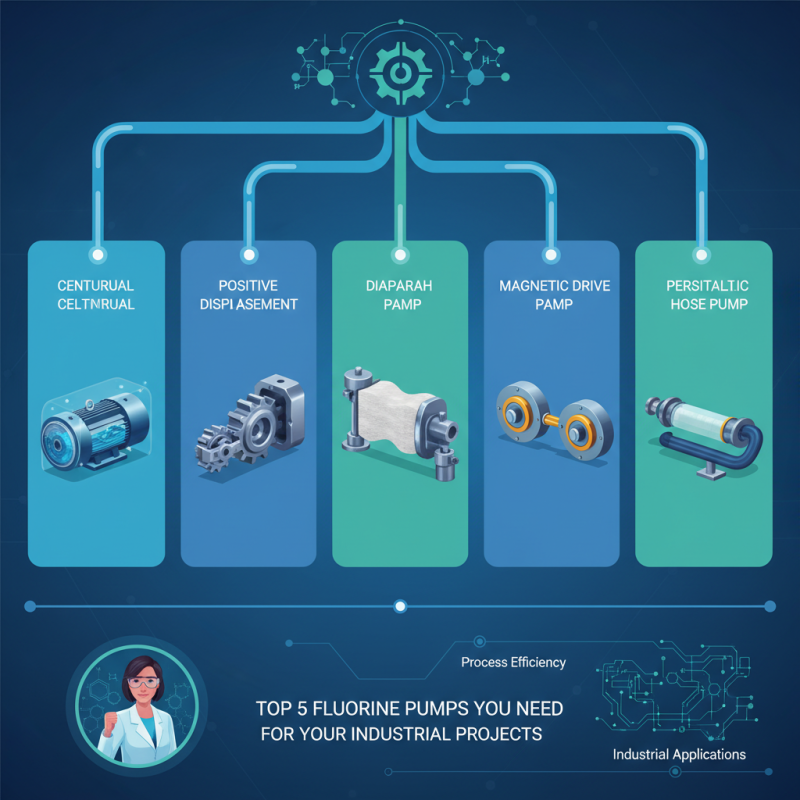
The market offers many options, each with distinct features. Each project may have unique requirements. This complexity necessitates careful consideration, as the wrong choice may lead to inefficiencies or even costly failures. Recognizing this, we present an overview of the top five fluorine pumps available, designed to meet diverse industrial needs.
Overview of Fluorine Pumps and Their Importance in Industry
Fluorine pumps play a crucial role in industrial applications. They handle aggressive and corrosive chemicals, ensuring safe operations. According to the Global Chemical Industry Report, the demand for fluorine pumps will grow at a rate of 6.2% annually. This trend highlights their importance in various sectors, including chemical processing and pharmaceuticals.
These pumps are designed to withstand high temperatures and pressures. A recent study found that over 40% of chemical plant failures were linked to inadequate pumping solutions. By investing in high-quality fluorine pumps, industries can prevent downtime and reduce maintenance costs. With proper selection and usage, these pumps exhibit reliability that is essential for efficiency and safety.
However, not all fluorine pumps are created equal. Proper training and understanding of application-specific requirements are vital. Some operators may struggle to choose the right pump. This can lead to inefficiency and safety hazards. A focus on education and best practices could significantly enhance the operational success of industrial projects.
Key Features to Consider When Selecting Fluorine Pumps
When selecting fluorine pumps for industrial projects, several key features should be considered. The construction material is crucial. Fluorine pumps are designed to handle corrosive substances. Common materials include PTFE and FEP, which are known for their resistance to chemical erosion. According to industry reports, pumps made of these materials can reduce maintenance costs by up to 30% over time.
Flow rate is another vital factor. It determines the efficiency of the pump in your specific application. Many projects require precise measurement in gallons per minute. A mismatch in flow rate can lead to system inefficiencies, affecting overall productivity. Data indicates that a 10% deviation from the optimal flow rate could impact operational efficiency significantly.
Finally, compatibility with your system's pressure is essential. Pumps must withstand not just flow requirements but also varying pressure conditions. Systems may experience unexpected surges, which can be damaging. Reliable pumps are often rated for higher pressures than typically encountered, acting as a safeguard against system failures. If you’re unsure about these ratings, consult with professionals to avoid potential pitfalls.
Top 5 Fluorine Pumps You Need for Your Industrial Projects
| Pump Model | Max Flow Rate (L/min) | Max Pressure (bar) | Temperature Range (°C) | Material | Application |
| Model A | 100 | 10 | -20 to 100 | PTFE | Chemical Processing |
| Model B | 150 | 8 | -10 to 90 | PFA | Pharmaceuticals |
| Model C | 200 | 5 | 0 to 80 | PVDF | Water Treatment |
| Model D | 250 | 12 | -30 to 120 | ETFE | Oil and Gas |
| Model E | 120 | 15 | -5 to 85 | FEP | Food Industry |
Top 5 Recommended Fluorine Pumps for Industrial Applications
When selecting fluorine pumps for industrial applications, expertise matters. These pumps are crucial for handling aggressive chemicals, and choosing the right one can enhance safety and efficiency. Reliable fluorine pumps can withstand the corrosive nature of fluorinated fluids, making them essential in numerous industries.
Look for pumps that offer high durability and excellent chemical resistance. The materials used in construction should resist wear and tear over time. Consider the pump's flow rate and pressure capabilities. Understanding these specifications can prevent costly downtimes.
It's important to reflect on pump performance in real-world conditions. Sometimes, the best specifications do not translate into practical efficiency. Regular maintenance and monitoring can help identify when a pump is underperforming. Small details can lead to major issues. Always reassess operational needs to ensure the pump meets current demands.
Comparative Analysis of Performance and Efficiency of Selected Pumps
When selecting fluorine pumps for industrial applications, performance and efficiency are crucial factors. Different pump designs offer varied advantages. Positive displacement pumps typically provide exceptional flow rates. Centrifugal pumps, however, excel in delivering consistent pressure. Each type presents its own unique strengths and weaknesses, making careful evaluation necessary.
Consider the materials used in pump construction. Fluorine pumps must resist aggressive chemicals and high temperatures. Fluoropolymers are often used for their chemical resistance. Not all pumps maintain peak efficiency under all conditions. Some may experience wear and tear, leading to decreased performance over time. Regular maintenance is essential to ensure reliability.
Moreover, energy consumption plays a significant role in overall efficiency. Pumps that consume less power can reduce operating costs. However, a balance between power use and performance is necessary. A pump that requires more energy may deliver superior results, yet it could lead to long-term expenses. Evaluating these factors is key to optimizing industrial projects.
Maintenance Best Practices for Enhancing Fluorine Pump Longevity
Fluorine pumps play a crucial role in various industrial applications. Proper maintenance is essential for extending their operational lifespan. Industry reports suggest that over 30% of pump failures are linked to inadequate maintenance practices. Prioritizing maintenance can lead to minimized downtime and improved efficiency.
Regular inspections are vital. Check for leaks, wear, and unusual vibrations. These signs can indicate potential issues, helping you address them before they escalate. A study by the American Society of Mechanical Engineers reported that consistent monitoring can reduce maintenance costs by 25%.
Tip:
Schedule quarterly maintenance checks. This simple step ensures your fluorine pumps operate smoothly.
Lubrication is another key factor. Use the recommended lubrication type and frequency to prevent friction and overheating. Neglecting this can lead to extensive damage and expensive repairs.
Inadequate lubrication may shorten the pump's life by up to
50%, leading to productivity losses.
Keep a lubrication log. Documenting when and how much lubrication is applied creates accountability. Training personnel is equally crucial. Staff should be well-versed in operating and maintaining fluorine pumps. A knowledgeable team can spot issues early, preventing costly repairs.
Inadequate training has been linked to increased equipment failures, as per industry reports. Regular training sessions can enhance team performance and equipment reliability. It's a powerful investment in
industrial efficiency.