Top Gas Filtration Devices in 2026 What to Look For?
As industries evolve, the demand for efficient Gas filtration devices is surging. A recent report by Research and Markets estimates the global gas filtration market will reach $6.8 billion by 2026. This growth is driven by the increasing need for air quality management and pollution control. Industries are facing stricter regulations on emissions, making effective gas filtration essential.
Gas filtration devices play a crucial role in various sectors, including manufacturing and pharmaceuticals. They help maintain compliant environments and ensure worker safety. Selecting the right device is not straightforward; each application has unique demands. Factors such as filter efficiency, maintenance needs, and operational costs must be considered carefully.
However, many businesses overlook these specifics. They may choose devices based solely on price, leading to inefficiencies or even health hazards. It’s vital to assess the long-term implications of gas filtration choices. The optimal device should balance cost, performance, and environmental impact, ensuring reliable air quality for years to come.
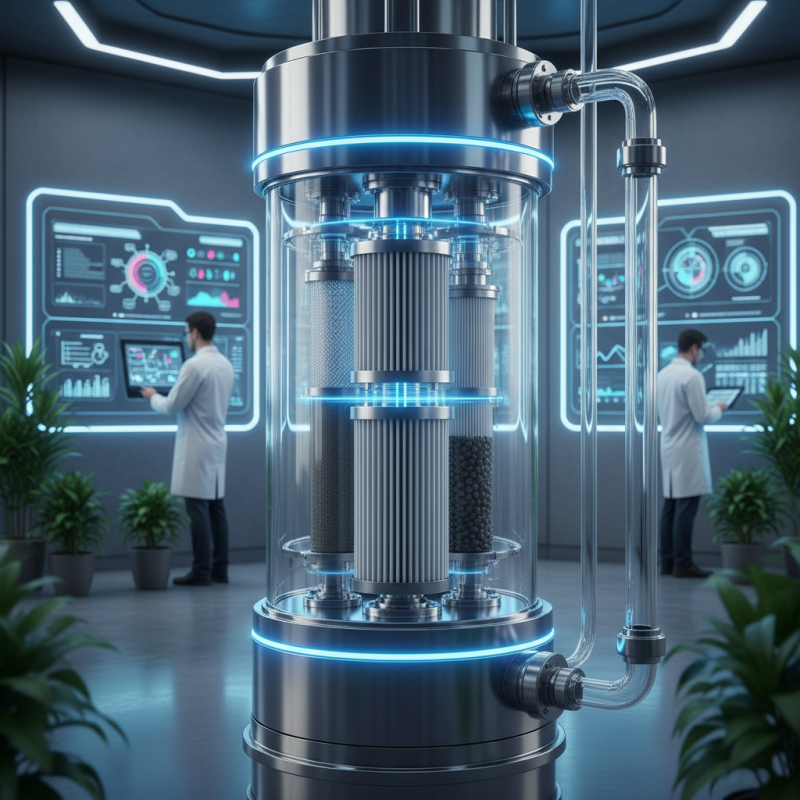
Key Technologies Driving Gas Filtration Devices in 2026
As the demand for cleaner air intensifies, gas filtration devices are evolving rapidly. Key technologies are shaping these devices for the year 2026. Advanced materials, such as nanofibers, enhance filtration effectiveness. These materials can trap smaller particles, making the air safer to breathe. However, the cost of implementing these technologies remains a challenge for some manufacturers.
Another significant technology is real-time monitoring systems. These systems provide instant feedback on air quality. Such innovations allow users to make prompt adjustments to filtration processes. However, the complexity of these systems can deter some users. Simplicity in operation is essential for widespread adoption.
Additionally, energy efficiency is becoming a priority. Devices that consume less power while maintaining performance are favored. This shift is necessary for environmental sustainability. Yet, evolving standards can complicate choices for consumers. Balancing performance with eco-friendliness is crucial. As we look towards 2026, these technologies will guide the future of gas filtration devices.
Essential Features to Consider When Choosing Gas Filtration Devices
When choosing gas filtration devices, there are several essential features to consider. Reliability is paramount. Look for devices with proven track records in various environments. Understand the specific gases you need to filter. Each gas may require different filter types. This knowledge helps in making an informed choice.
Another critical aspect is the filtration efficiency. High-efficiency particulate air (HEPA) filters can capture tiny particles effectively. For chemical gases, ensure the device utilizes activated carbon. This material adsorbs a range of pollutants. Evaluate the flow rate as well. A good device should maintain adequate airflow while filtering gases.
Tips: Regular maintenance is vital. Clean or replace filters according to the manufacturer’s instructions. This ensures longevity and better performance. Always stay informed about the latest filtration technologies. They evolve rapidly, and keeping updated can enhance safety in any environment. Choose a device that fits your specific needs. Don’t settle for one-size-fits-all solutions; your safety depends on it.
Comparative Analysis of Leading Gas Filtration Brands in 2026
In 2026, the landscape of gas filtration is evolving. With increasing regulatory standards, choosing the right device is crucial. Research indicates that over 40% of industrial processes now require advanced filtration technologies. The performance of these devices can significantly impact air quality and operational efficiency.
Major players are diversifying their approaches. High-efficiency particulate air (HEPA) filters dominate the market, capturing up to 99.97% of particles. However, recent studies point to the shortcomings of conventional filters in capturing smaller particulates. Alternative technologies, such as electrostatic precipitators, are gaining traction. They offer advantages in energy efficiency but can struggle with heavier particulates.
Nevertheless, one should consider the trade-offs in performance and cost. While some high-end models provide superior filtration, they may not always justify the expenditure for smaller operations. Monitoring trends in customer satisfaction and reliability ratings can help guide smarter investments. Real-world testing is vital in assessing long-term performance, as laboratory results can sometimes mislead engineers.
Impact of Regulatory Standards on Gas Filtration Device Design
As gas filtration devices evolve, regulatory standards play a vital role in their design. In 2026, many sectors will face stringent regulations aimed at reducing emissions. Data from the Environmental Protection Agency indicates that regulations could reduce harmful gases by up to 30%. Companies must adapt quickly to maintain compliance.
Effective gas filtration is no longer optional. The ISO 8573 standard specifies purity classes for compressed air. This standard influences device performance and efficiency. Manufacturers face challenges in meeting these criteria while ensuring cost-effectiveness. Balancing regulatory demands with innovation can be a daunting process.
The impact of regulations extends beyond compliance. For instance, companies may need to invest in advanced technologies. Some reports suggest that an 18% increase in R&D spending could lead to more effective filtration solutions. However, the rush to innovate may overlook operational sustainability and long-term reliability. Striking this balance remains a critical issue for industry leaders.
Future Trends in Gas Filtration Technology and Sustainability Efforts
As we look toward 2026, gas filtration technology is evolving rapidly. Advances in sustainability efforts are at the forefront. Manufacturers are increasingly focused on eco-friendly materials, optimizing energy consumption, and reducing waste. This shift aligns with global environmental goals and consumer demands for greener solutions.
Future gas filtration devices will likely incorporate smart technologies. Sensors and real-time monitoring can improve efficiency. These innovations will help ensure that air quality is maintained effectively. However, challenges remain in balancing cost with sustainable practices. Not all facilities can afford the latest technology. This gap raises questions about accessibility and long-term solutions.
Sustainability is not just about technology. It also involves stakeholder engagement. Communities must be included in the conversation about air quality. Their input can guide more responsible practices. The road ahead is promising, but it requires collective effort and reflection on existing barriers and successes in gas filtration technology.