
- Home
- >
- Knowledge Center
- >
- Blogs
Blogs
Sharing knowledge is key to an innovative and healthy industry! This knowledge center is therefore a central place on our website to share information. Read all about our industry in the blogs below!
Top 10 Tips for Choosing a 180 Rotation Rotary Actuator?
When selecting a 180 Rotation Rotary Actuator, understanding its vital role in industrial applications is crucial. According to Dr. Emily Carter, a leading expert in automation technology, "The right actuator can enhance efficiency and precision in operations." Her insights underline the importance of informed choices in this sector.
Choosing the right 180 Rotation Rotary Actuator involves examining various factors. These include load capacity, response time, and power consumption. Many overlook the significance of torque specifications. This can lead to inadequate performance and costly downtime. It’s essential to assess real-world applications for better alignment with operational needs.
Consider your specific requirements carefully. Not every actuator suits every application. The learning curve can be steep, but the payoff is considerable. Mistakes in selection can lead to inefficiency. In the competitive market of automation, reflection on past choices is vital for future success. A well-suited actuator not only improves function but also enhances overall system reliability.
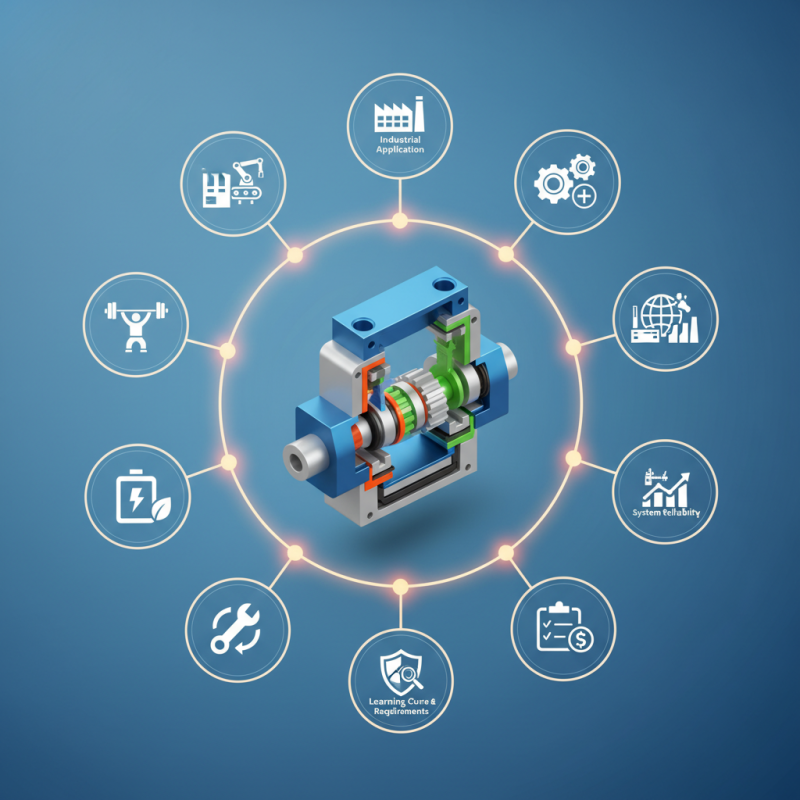
Factors to Consider When Selecting a 180 Rotation Rotary Actuator
When selecting a 180 rotation rotary actuator, there are several key factors to keep in mind. First, consider the application and required torque. Different applications may require different torque levels. Understanding the load and its behavior is crucial. You might find certain models inadequate for your specific needs.
Next, think about the control method. Some actuators operate using advanced control systems, while others are more straightforward. If a complex setup isn't necessary, a simpler option might suffice. However, you should reflect on future scalability. Choosing an actuator that meets current needs but can grow with future demands could save you time and money.
Durability is another important factor. Look into the materials used in the actuator’s construction. Resistive features against environmental factors like dust and moisture can enhance longevity. However, not all actuators provide thorough protection. This could lead to unexpected failures down the line, forcing a reconsideration of your initial choice. Always assess how maintenance-friendly the actuator is. Some designs may complicate routine checks, leading to potential operational challenges.

Understanding Different Types of Rotary Actuators and Their Applications
When selecting a 180-degree rotary actuator, understanding the different types is crucial. Rotary actuators can be broadly classified into electric, pneumatic, and hydraulic types. Each type serves unique applications in industries like robotics, manufacturing, and automotive. Electric actuators are praised for their precision. They are often used in applications where exact positioning is needed. Yet, they may struggle in high-load situations.
Pneumatic actuators leverage compressed air for movement. They are quick and efficient, making them ideal for packaging and assembly lines. However, they can be less controllable than electric actuators. Hydraulic actuators are powerful and can handle massive loads. They’re useful in heavy machinery but often require more maintenance. Selecting the right type can be challenging. Misjudgments can lead to inefficiencies and increased costs. Always consider the specific requirements of your application. Think about the environment and constraints you are working within.
Evaluating Torque Requirements for Optimal Performance in Your Setup
When selecting a 180 Rotation Rotary Actuator, evaluating torque requirements is crucial. Understanding the load that the actuator will handle is the first step. Underestimating torque can lead to performance issues. You might find it struggles with the intended application. It’s essential to gather data on the maximum load and the speed of operation. Real-world testing can provide valuable insights.
Consider environmental factors, too. Factors such as temperature and humidity influence torque performance. Sometimes, actuators fail under extreme conditions. It’s a common mistake to overlook these aspects. Also, be aware of safety factors in your design. Overrating components can drive up costs without clear benefits. Finding the right balance is key.
Finally, review the actuator's duty cycle. An actuator may not perform well if it runs continuously without rest. Periodic assessments during operation can reveal if adjustments are necessary. Gauge your setup's efficiency regularly. It's important to avoid potential pitfalls and refine your approach continually. Keeping these considerations in mind will help in making better choices.
The Role of Precision and Accuracy in Rotary Actuator Selection
When selecting a 180 rotation rotary actuator, precision and accuracy play crucial roles. Industry reports indicate that precision can boost system performance by as much as 30%. Actuators that provide tight tolerances help ensure that machinery operates smoothly. For many applications, a deviation of even a few degrees can lead to significant inefficiencies.
Consider the materials used in the actuator. High-quality components generally offer better accuracy. Verify the actuator’s specifications to ensure they meet project requirements. Misalignment can result in poor performance, potentially wasting time and resources. Check for certifications and test reports provided by manufacturers.
Tip: Look for actuators with built-in feedback systems. These systems enhance precision by delivering real-time data on position and performance. Another aspect to contemplate is the environmental conditions. For example, high humidity or dust can affect accuracy. Designs that consider these factors often yield better long-term results. Think critically about your choice. Balancing cost and performance is key.
Top 10 Tips for Choosing a 180 Rotation Rotary Actuator
| Tip No. | Tip Description | Precision Level | Accuracy Requirement | Common Application |
|---|---|---|---|---|
| 1 | Understand the application requirements. | High | ±0.5 degrees | Robotics |
| 2 | Evaluate the torque requirements. | Medium | ±1 degree | Automated machinery |
| 3 | Check the speed of operation. | High | ±0.1 degrees | Conveyor systems |
| 4 | Consider the environmental conditions. | Variable | ±2 degrees | Outdoor applications |
| 5 | Look for compact designs when space is limited. | Medium | ±1 degree | Medical devices |
| 6 | Assess ease of integration with existing systems. | High | ±0.5 degrees | Industrial automation |
| 7 | Research actuator feedback options. | High | ±0.1 degrees | Servo mechanisms |
| 8 | Select materials based on application needs. | High | ±0.5 degrees | Aerospace |
| 9 | Estimate the lifecycle and maintenance costs. | Variable | ±2 degrees | Production line equipment |
| 10 | Take advantage of available support and documentation. | High | ±0.5 degrees | Custom automation solutions |
Cost vs. Quality: Making an Informed Investment in Rotary Actuators
When choosing a 180-degree rotary actuator, cost and quality are crucial factors. A recent industry report highlights that up to 40% of actuator failures stem from poor quality. This underscores the necessity of investing wisely. Balancing cost and quality is essential. While a lower price tag may seem appealing, it often leads to higher long-term expenses due to maintenance and replacements.
In sectors like manufacturing, the average lifespan of an actuator is about 5 years. However, cheaper models frequently need replacement within half that time. This data suggests that investing in robust, high-quality actuators can yield better long-term savings.
Another key point is performance specifications. The right actuator should meet your project's unique needs. If overlooked, it can result in operational delays. The risk of choosing a low-quality actuator is significant. Poor performance can disrupt workflow and increase costs. Evaluating both cost and quality is not just smart; it’s necessary for ensuring reliability.